

Internal consistency concerns links among items that contribute to a measure or score. Researchers often report alpha or omega to describe score reliability under stated assumptions. The number needs to stay tied to the item set, score and sample it describes.
Read those details before you judge what the result means. Atlas can help compare the supplied scale guide, study methods and results. Save a note that keeps the reported value distinct from claims about what the score measures.

Check a scale's consistency evidence
Compare item descriptions and reported coefficients with their limitations.
What internal consistency can tell you
A scale with several items combines answers into a score. If the items aim to reflect a shared trait, their answers should relate in a way that fits the measurement model.
The claim concerns patterns across people. It does not mean that each person must give the same answer to all items, even when all the questions aim to assess the same trait.
Statology's introduction uses questions in a measure to explain the idea. A person might strongly agree with one statement and agree less with another. Wording or item difficulty can affect answers without making the whole scale incoherent.
The type of evidence matters. Test retest reliability concerns one measure across time, while parallel forms reliability concerns different versions. Neither question is settled by a result about links among items within one form.
Intra-rater reliability concerns one person judging the same targets again. Keep these designs apart in your note. A score may have strong links among its items while leaving its behavior over time or across raters unknown.
Start with the items and score
Find the exact item version and intended trait, also called the construct. Then find which score the estimate concerns: the total, a subscale or some other stated combination. A scale name on its own leaves those choices open.
A form may cover several domains. A result for the total does not automatically describe each subscale. Separate subscale results also do not settle the meaning of their sum.
Flora's tutorial links estimates to the score and model being studied. Find those choices in the paper before you compare its result with another study's value.
Read the answer options, reversed scores, omitted items and changed words. A short version is a new item set. A translated version may also need its own checks, even if the paper keeps the old scale name.
The study sample belongs with the result too. The alpha and omega explainer connects the estimate to observed item links and assumptions. Keep earlier and current studies attached to their own groups and versions.
Old findings give context; they do not tell you how a new group's answers relate. For example, an item about paid work may mean something quite different to students and to people in full-time jobs. Read who answered the items before you carry a past result over to a new group.
Read alpha and omega with assumptions
Cronbach's alpha depends on the item count and covariance structure: how the item scores vary together. A high Cronbach's alpha alone does not prove that the score measures one dimension. It also does not establish that the score measures the intended trait.
Sijtsma's discussion explains why alpha is often given too broad a meaning. Read the claim about dimensionality as a separate question. What did the authors do to check the scale's structure, and why do they think these items belong in this score?
Factor analysis can help address structure. A model in a paper still needs to be read and judged; its mere presence does not make every score use sound. Keep the model result distinct from the authors' broader argument about what the scale measures.
Omega has assumptions too. Flora's tutorial distinguishes forms suited to different models and scores. Record the exact omega form rather than reduce it to a general label. A coefficient chosen for one score may not fit another.
Keep any reported uncertainty and the reason for the chosen method. The journal explainer gives context, but choosing a statistic requires actual response data and a suitable model. A universal pass mark cannot replace that work.
Do not remove items just to raise a number. Asking almost the same question many times may narrow the content covered. A change needs a reason tied to the trait as well as a check of the resulting score.
Distinguish missing reporting from poor consistency
A paper may name a familiar scale but omit a coefficient for its own sample. This leaves a gap in the current report. It does not show that the value was high or low. Keep the missing result open when you write the note.
An original PLOS study examined measures in Many Labs replications and their original reports. The authors checked which measures had a reliability result in each paper. Figure 1 shows how they grouped the measures before counting those results.
Among measures with more than one item, the original papers reported reliability for 13 of 38 measures. The papers that repeated the studies reported it for 4 of 35. Each count uses the measures eligible for that branch.
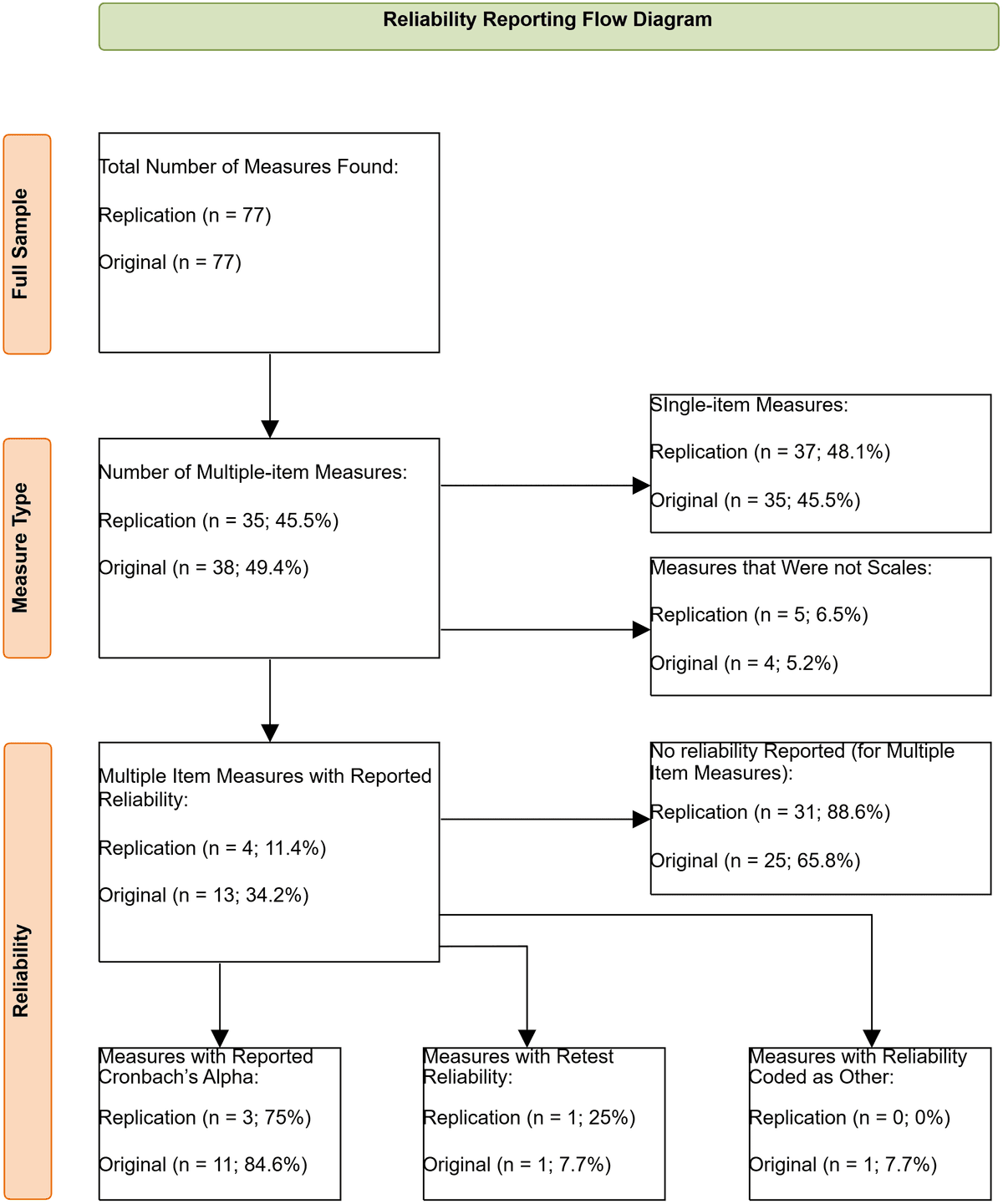
Figure 1 is reproduced unchanged from Goos, Bakker, Wicherts and Nuijten (2026) under CC BY 4.0.
The diagram first sets aside measures with just one item and measures that are not scales. For the remaining measures, it shows which papers report a result and which type they use, such as alpha or a retest check. The totals change at each branch, so read each percentage with its own count.
These counts describe what was reported in the studies reviewed. They do not say how often scales work well across all research, or tell us the value for a measure whose result was not reported.
The study's structural analyses address a further question, which belongs in a separate part of your note. Read both results while retaining which claim each one can support.
A worked scale limitation note
Imagine a made-up six-item form with questions about confidence and enjoyment of a task. The fictional report gives an alpha result for the total but no analysis of structure. It also cites an older version used with another group. No real data or computed coefficient is represented here.
The table keeps the item rationale, score and result apart. A favorable result should not fill an unrelated gap about why the items form one score.
| Evidence | Available description | Interpretation boundary |
|---|---|---|
| Items | Confidence and enjoyment questions | The reason for a shared construct needs review |
| Score | Sum of six responses | The meaning of the total must be justified |
| Consistency | Alpha reported for the current total | Keep the exact value, method and uncertainty with this sample |
| Structure | No structural analysis described | One-dimensionality remains unresolved |
Table 1: For a real paper, add source pages or sections for the items, methods and results. Flag a change in wording or scoring when an older study is cited.
The Sijtsma critique frames alpha's limits. Use the scale's own evidence to assess its structure and meaning, since a general account of alpha cannot settle what this item set measures.
Do not assume that one dimension is always the goal. The authors may justify a total across several dimensions, separate subscales or another model. Preserve their actual argument and the evidence for it before deciding which claim the note can support.
Compare consistency evidence in Atlas
Add the permitted item guide, construct rationale, scoring rules and reported results to one project. Start a chat and use @ in Ask a question to select the sources, then ask:
Compare why these sources combine the items into this score. Find the item version, construct, score, sample, coefficient and structural evidence. Cite each detail. Keep reported values separate from judgments about what they mean. Mark missing facts as not reported. Do not calculate alpha or omega or infer one dimension from a coefficient.
Select Send and open the citation beside each claim about the trait or result. Read the text around it. Check whether it concerns this sample and version, rather than an older study with a similar scale name.
If the answer says a high alpha proves one dimension, ask for the source passage about structure. Correct the claim if no such evidence is given. The gap should remain in the note rather than be filled by the coefficient.
Select New, then Note, and save the corrected note with source pages, exact reported values and open questions. Wait for Saved before closing. Atlas helps compare supplied texts and claims. Researchers choose the measurement model, analyze data, revise items and judge what the score means.
Keep the conclusion tied to evidence
State which score and sample the coefficient describes, its exact form and any reported uncertainty. Keep links among items separate from claims about dimensionality and validity. Each claim needs the right kind of evidence.
When sources disagree, read their item versions, groups and models first. The same scale name does not mean the same score was studied. Return to the note when a supplement or later study adds structural evidence, and update the relevant claim while keeping its scope clear.
Check a scale's consistency evidence
Compare item descriptions and reported coefficients with their limitations.