
Why Analysts Choose Atlas
Synthesis is usually the bottleneck in analytical work. You can find more reports, papers, transcripts, and articles than you can reasonably hold in your head. Atlas turns that source pile into a connected workspace where evidence, claims, and themes remain traceable.
From Source Pile to Evidence Map
Analysts rarely work from one clean document. A market brief might involve analyst reports, customer interviews, competitor pages, regulatory filings, and internal notes. Atlas helps you see how those sources relate instead of forcing everything into folders.
- Upload the source set for a project
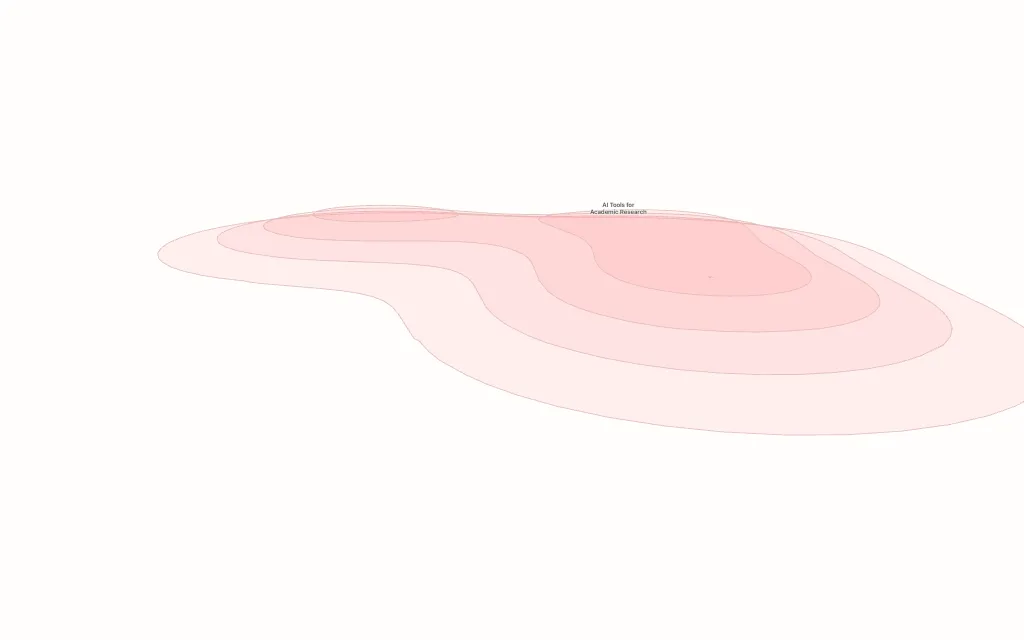
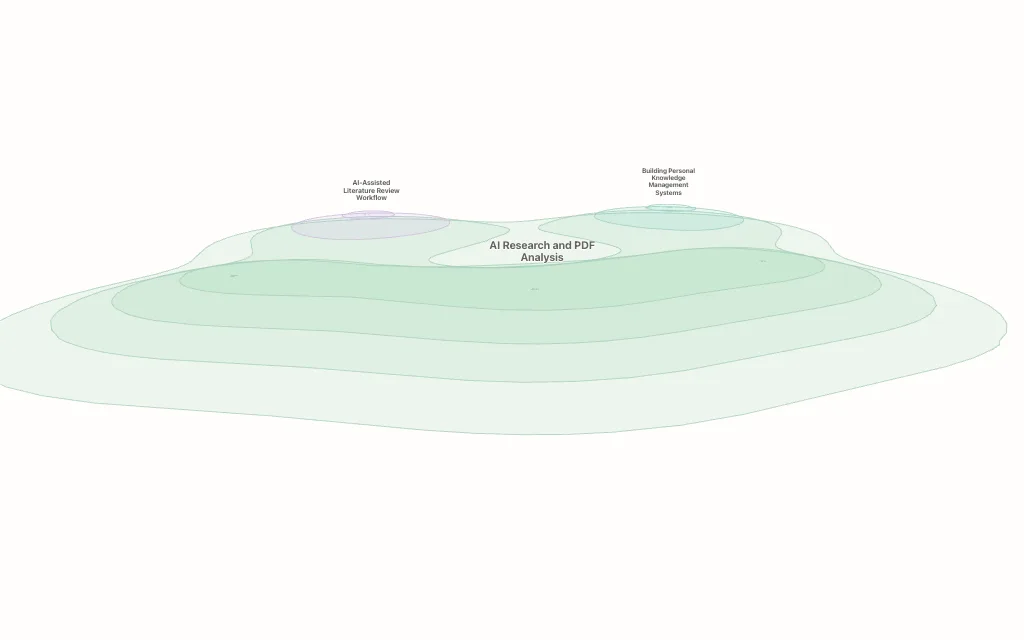
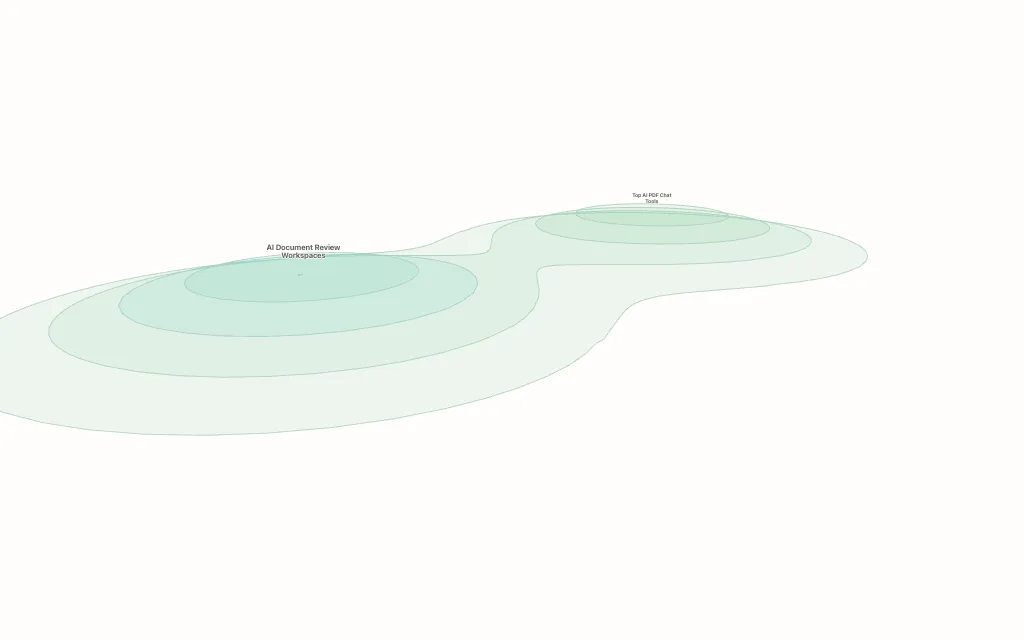
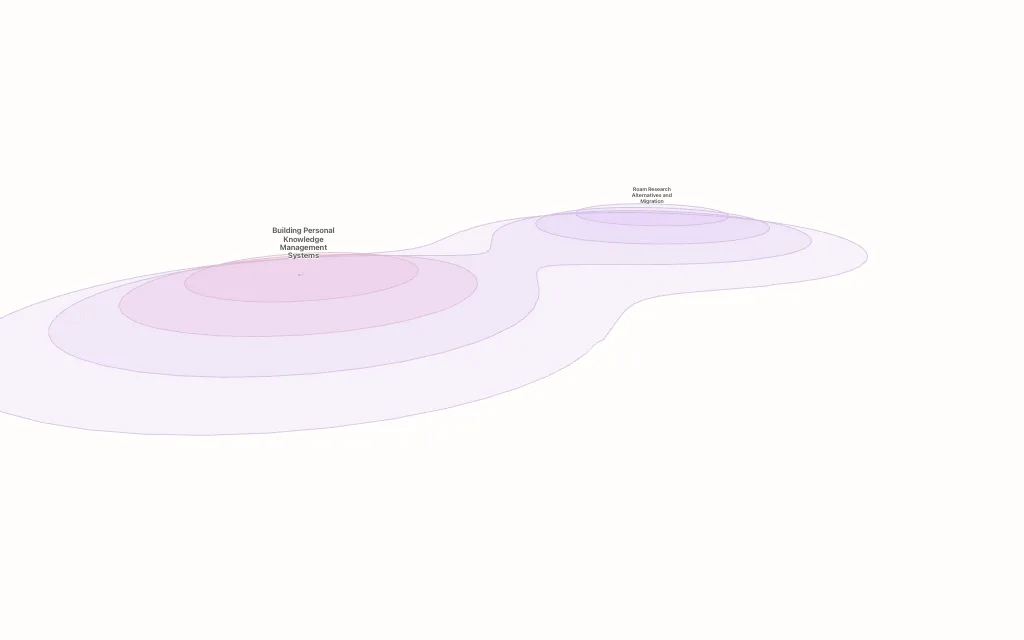
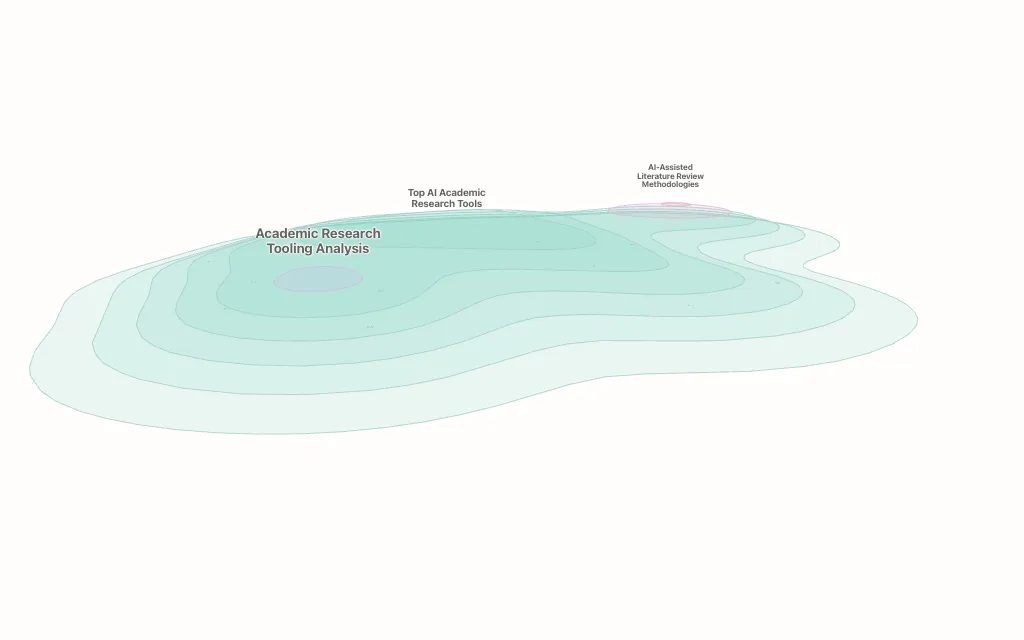
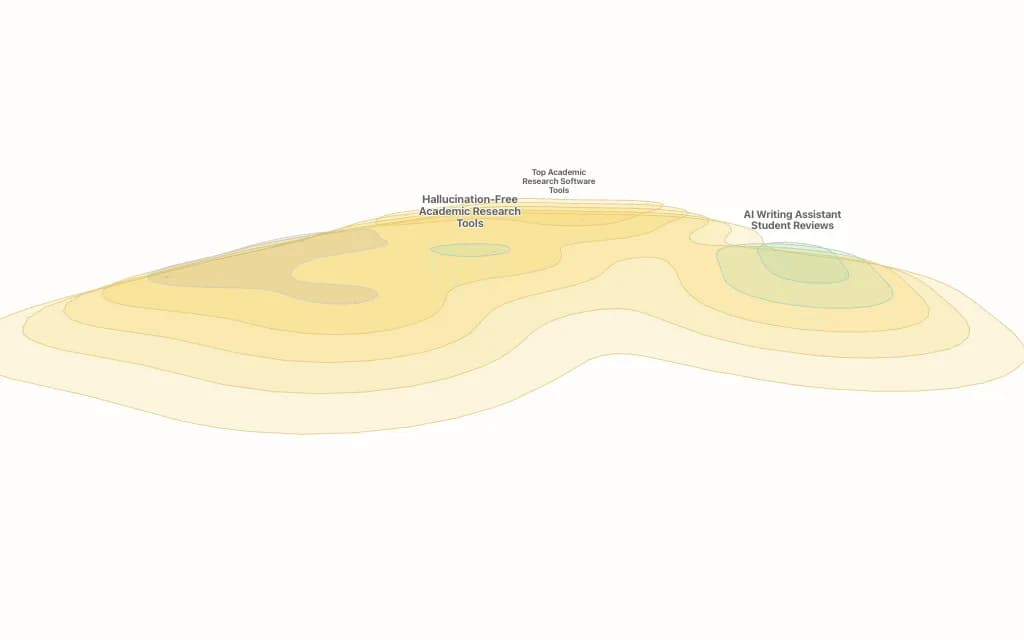
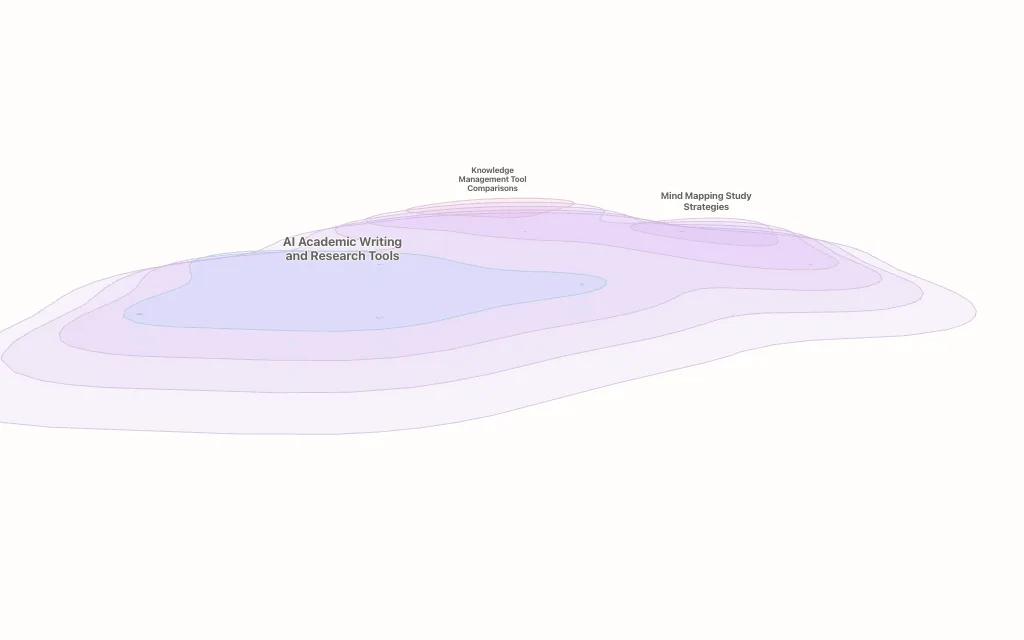
- Generate visual maps of themes and entities
- Ask cross-source questions with citations
- Revisit prior evidence when a new project overlaps
Source-Backed Answers for High-Stakes Work
Analysts need both a confident answer and the source trail behind it. Atlas answers questions from your uploaded corpus and cites the source material behind each claim, so you can verify before it goes into a memo, deck, or recommendation.
Research That Compounds
Most analysis work resets too often. A useful note from one project disappears before the next adjacent project begins. Atlas keeps your research connected so a source from last quarter can resurface when it becomes relevant again.
Built for Decision Work
Atlas works best when the output needs to be defensible: investment memos, market scans, policy briefs, competitive reviews, product research, and strategic decisions where the source trail matters as much as the conclusion.