
Audience hub

Accelerate Your PhD Research With AI-Powered Knowledge Maps

Atlas helps PhD students organize literature, synthesize findings across papers, and discover unexpected connections in your research corpus.

8 articles · Updated May 22, 2026

Explore

Thesis Writing

View all

Explore

Citation Tools

View all

Explore

Literature Review

View all

Explore

Research Synthesis

View all

Full library

All articles

Research & Synthesis

Academic Research Management Software for Review Tools

Best academic research software: 8 platforms tested. Elicit, Atlas, Semantic Scholar, Zotero, Mendeley scored on AI features, workflows, and pricing.

May 22, 202616 min read

Research & Synthesis

AI Research Tools That Don't Hallucinate: AskEden to Scite

AI research tool that doesn't hallucinate for academic research: AskEden, PaperPilot, TruthWeave, RefChecker, Atlas, Elicit, Scite tested on citations.

May 22, 202616 min read

Research & Synthesis

8 AI Tools for Academic Research (2026): Tested on Papers

AI tools for academic research compared: Atlas, Elicit, Semantic Scholar, Scite, NotebookLM and more: accuracy and pricing for real lit-review workflows.

May 8, 202620 min read

Research & Synthesis

Best Citation Managers for Research (2026): Zotero Plus

Zotero vs Mendeley vs AI citation tools: 8 options compared on speed, accuracy, workflow integration. Free and paid picks for students, PhDs, lit-review teams.

May 8, 202618 min read

Research & Synthesis

Literature Review AI: Best Tools for Every Research Stage

Tested AI tools for each literature review stage: Semantic Scholar for discovery, Rayyan for screening, Elicit for extraction, Atlas for synthesis.

May 7, 202615 min read

Research & Synthesis

Best Literature Review Software (2026): 8 Tools Tested

8 literature review tools compared across discovery, screening, extraction, and synthesis. Elicit, Atlas, Covidence, Rayyan, Zotero, and more: find the right.

May 8, 202618 min read

Research & Synthesis

7 Best AI Research Assistants (2026): Hallucination-Verified

AI research assistants benchmarked on a 200-paper corpus, citation accuracy, hallucination-to-verification ratio, synthesis depth, and price-per-query. Atlas.

May 8, 202619 min read

Research & Synthesis

How to Write a Literature Review with AI: Step-by-Step

How to write a literature review with AI, step by step, using tools: Elicit for search, Rayyan for screening, Atlas for synthesis, Claude for drafting.

May 8, 202610 min read

Related hubs

Keep browsing

Guide

How this collection helps

Why PhD Students Choose Atlas

A PhD is fundamentally about making an original contribution to knowledge. But before you can contribute, you need to understand the landscape: what has been studied, what methods have been used, where the gaps are, and how different threads of research connect. Atlas transforms this process from months of manual reading into a visual, queryable knowledge base.

Taming the Dissertation Literature Review

Your dissertation literature review might span 100 to 300 papers. Keeping track of themes, methodologies, theoretical frameworks, and findings across that many sources is overwhelming with spreadsheets and notes. Atlas helps by:

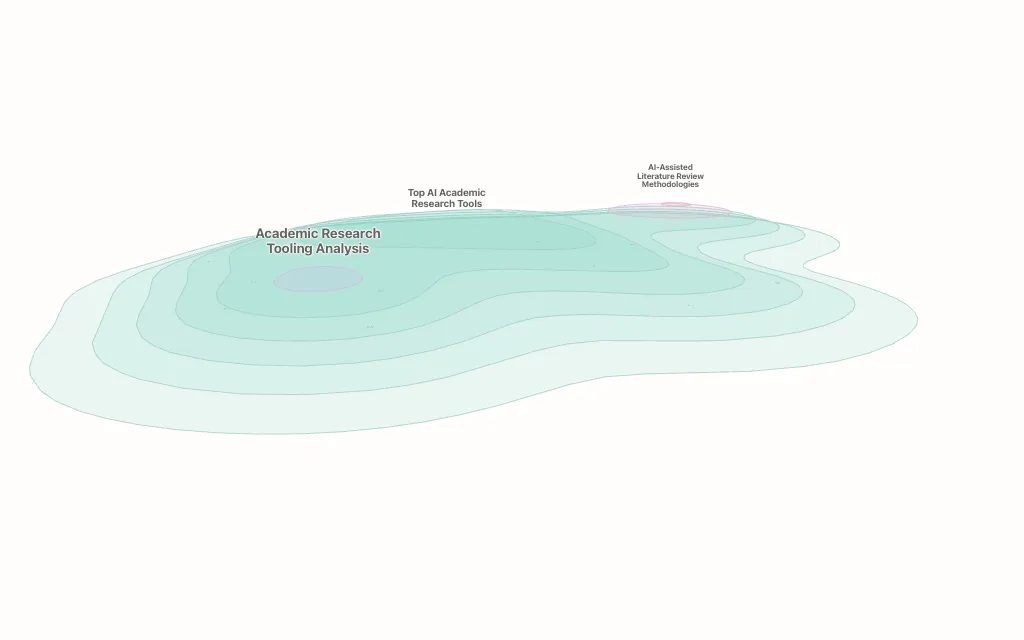
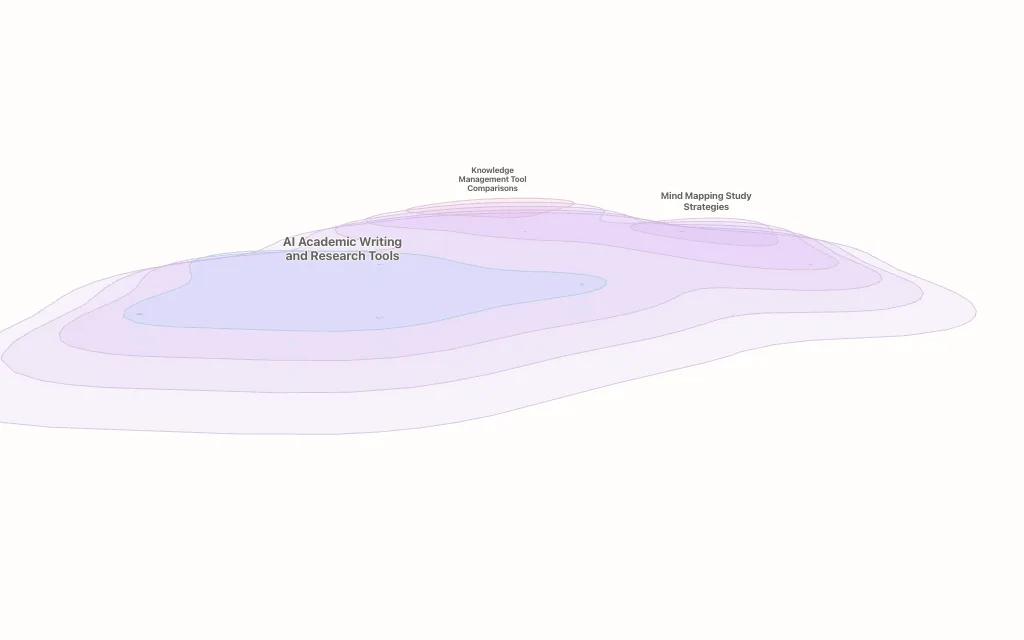
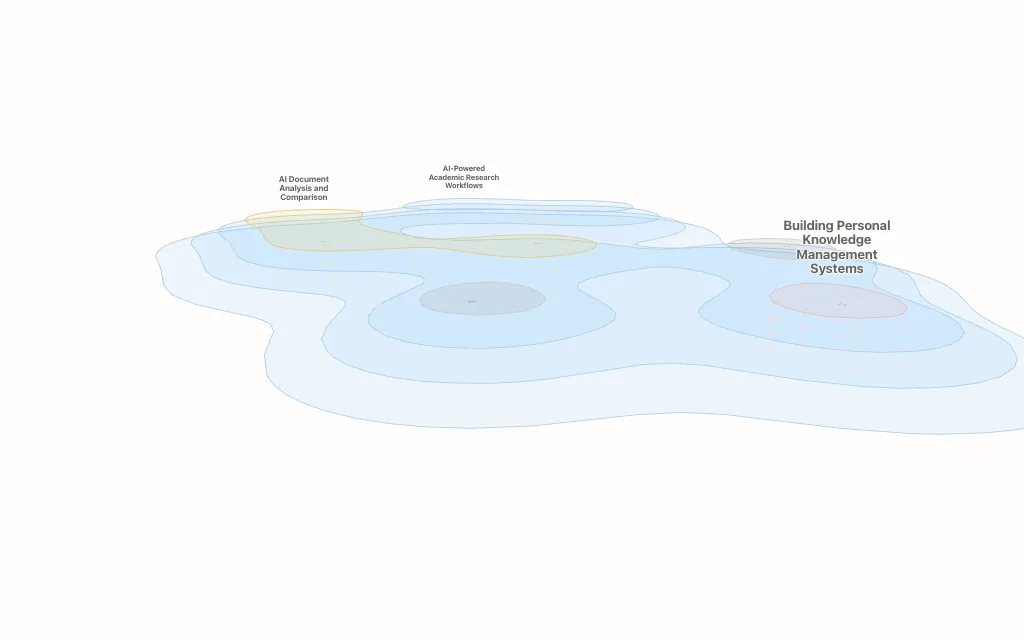
  • Generating visual maps that cluster papers by theme and methodology
  • Enabling AI-powered questions across your entire collection
  • Surfacing connections between papers that you might miss reading one at a time

Instead of maintaining a growing spreadsheet of notes, you get an interactive map of your research landscape.

From Reading Papers to Synthesizing Knowledge

The difference between a mediocre and excellent literature review is synthesis. It is not enough to summarize each paper individually. You need to identify patterns, contradictions, and evolution of ideas across the field. Atlas's AI chat lets you query your paper collection:

  • "How has the methodology in this area evolved over the past decade?"
  • "Which papers disagree on this finding, and what explains the difference?"
  • "What theoretical frameworks are used across my papers?"

Every answer cites specific papers and pages, so you can verify claims and build your argument with confidence.

Preparing for Qualifying Exams

Qualifying exams require broad knowledge of your field. Atlas helps you build a comprehensive mental model by visualizing how major works, theories, and debates connect. Instead of memorizing isolated facts, you understand the structure of your discipline.

Managing Multiple Research Projects

PhD students often juggle their dissertation, conference papers, teaching prep, and collaborative projects. Atlas maintains connections across these workspaces. An insight from a paper you read for a conference submission might be relevant to Chapter 4 of your dissertation, and Atlas helps you find it.

Common questions

Atlas complements reference managers rather than replacing them. While Zotero and Mendeley excel at citation management and bibliography generation, Atlas adds AI-powered analysis and visualization that helps you understand and connect your sources for literature review chapters.

Use Atlas to turn sources into a map you can trust.

Atlas helps you read, connect, and synthesize material behind accelerate your phd research with ai-powered knowledge maps with source-grounded notes, chats, and maps.

Start using Atlas