
Why Researchers Choose Atlas
Research is about finding patterns, making connections, and synthesizing knowledge. But traditional tools treat papers as isolated documents rather than pieces of a larger puzzle. Atlas changes this by transforming your research corpus into an interconnected knowledge base.
Taming the Literature Review
A thorough literature review might involve 50, 100, or even 200 papers. Keeping track of themes, methodologies, and findings across that many sources is overwhelming. Atlas helps by:
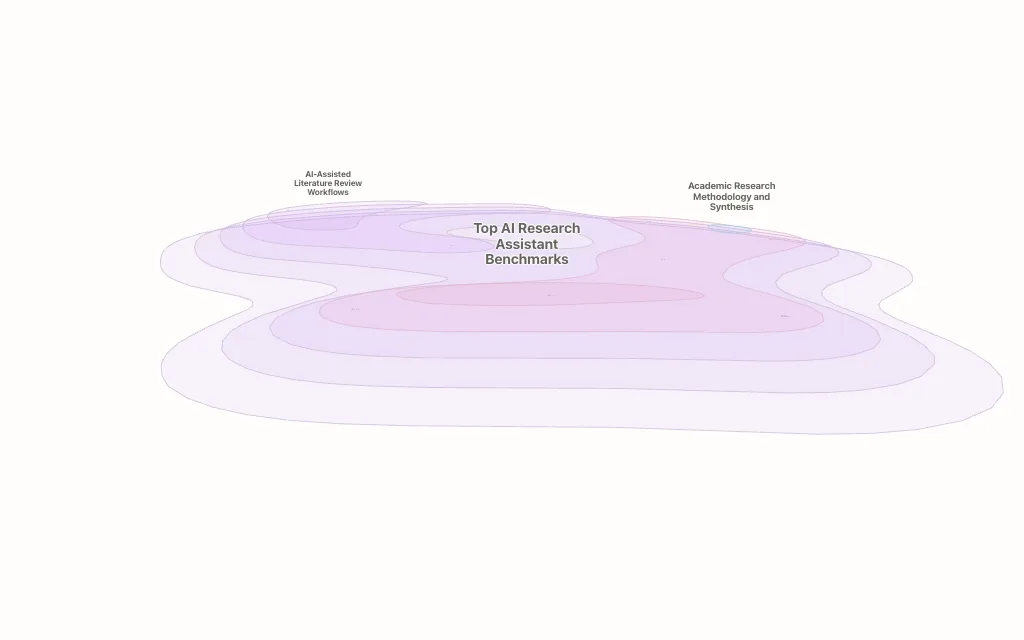
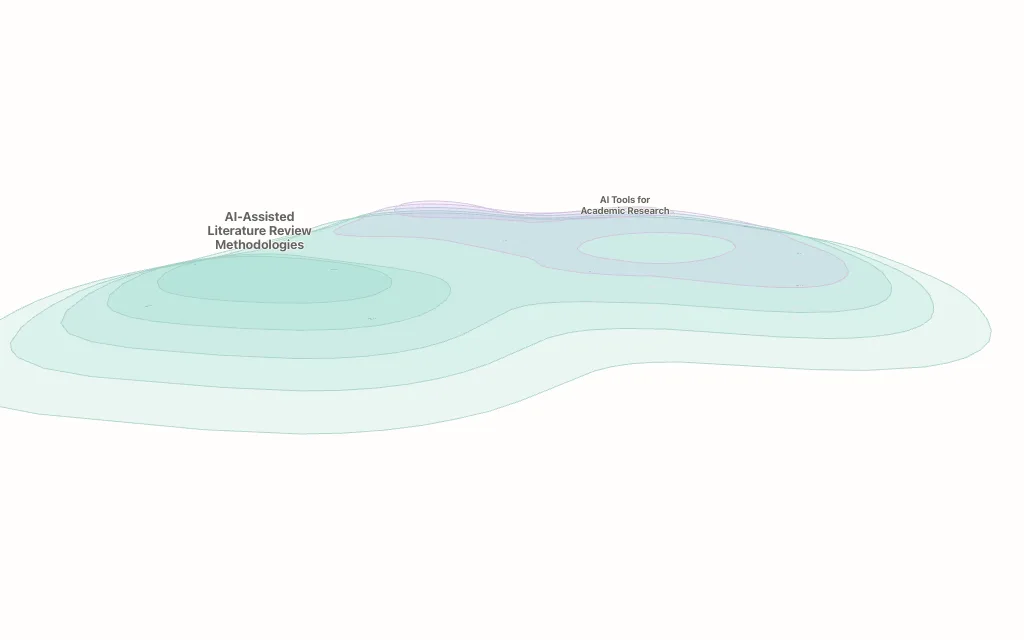
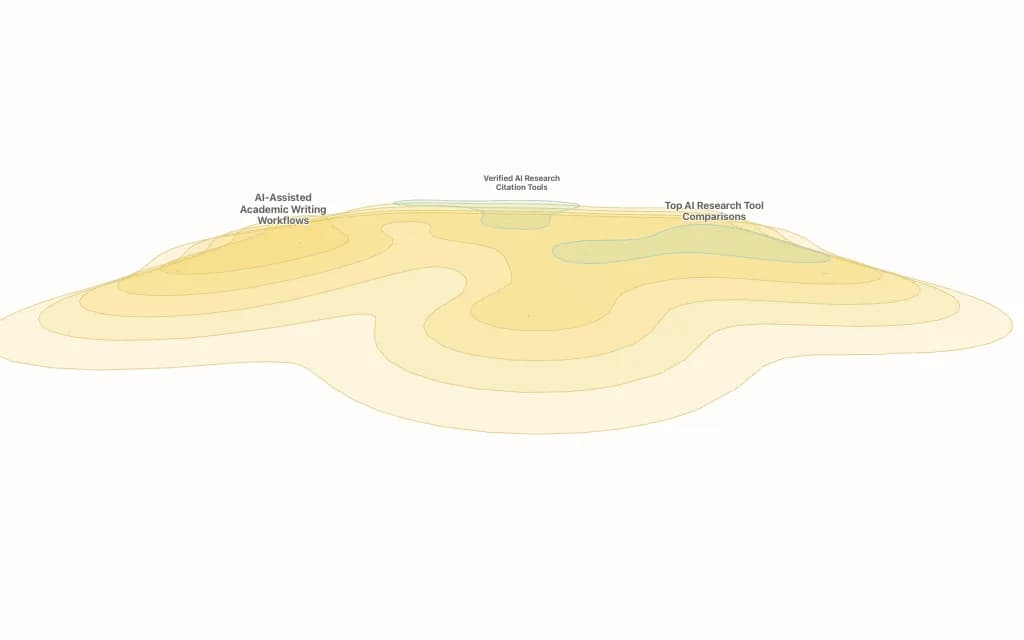
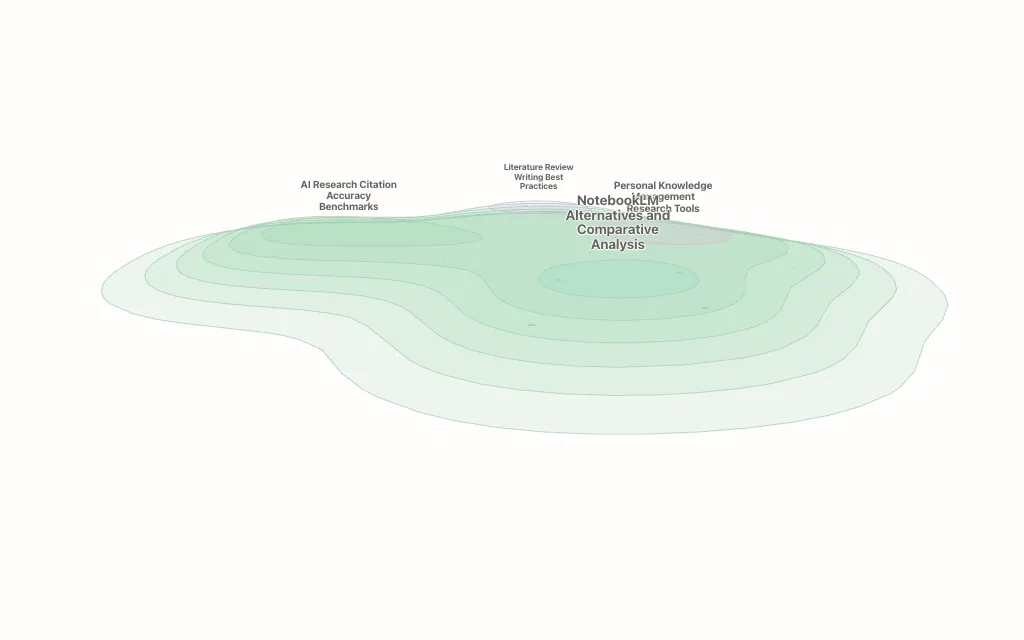
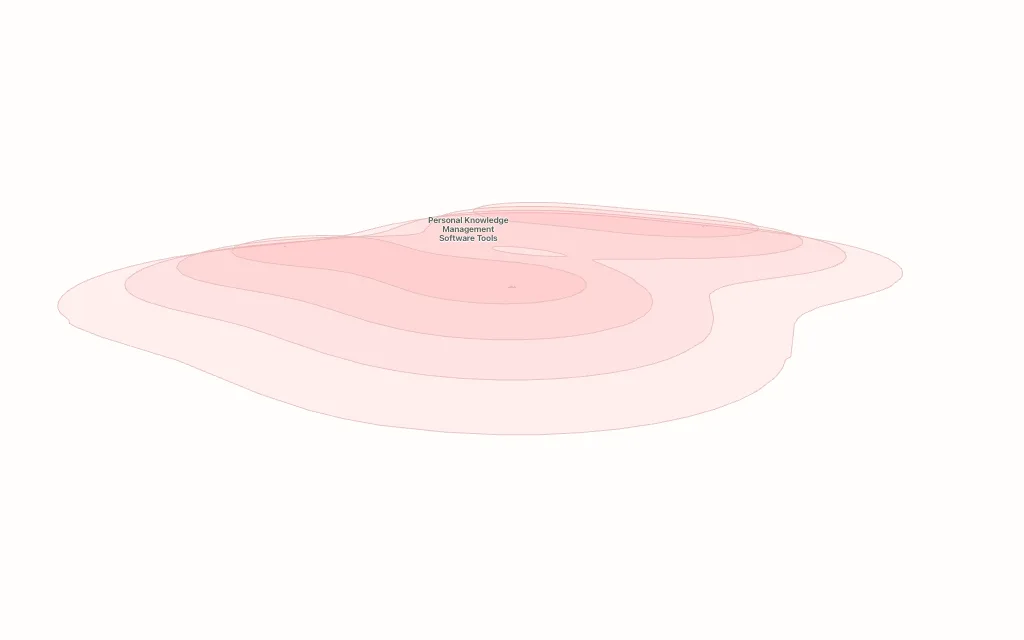
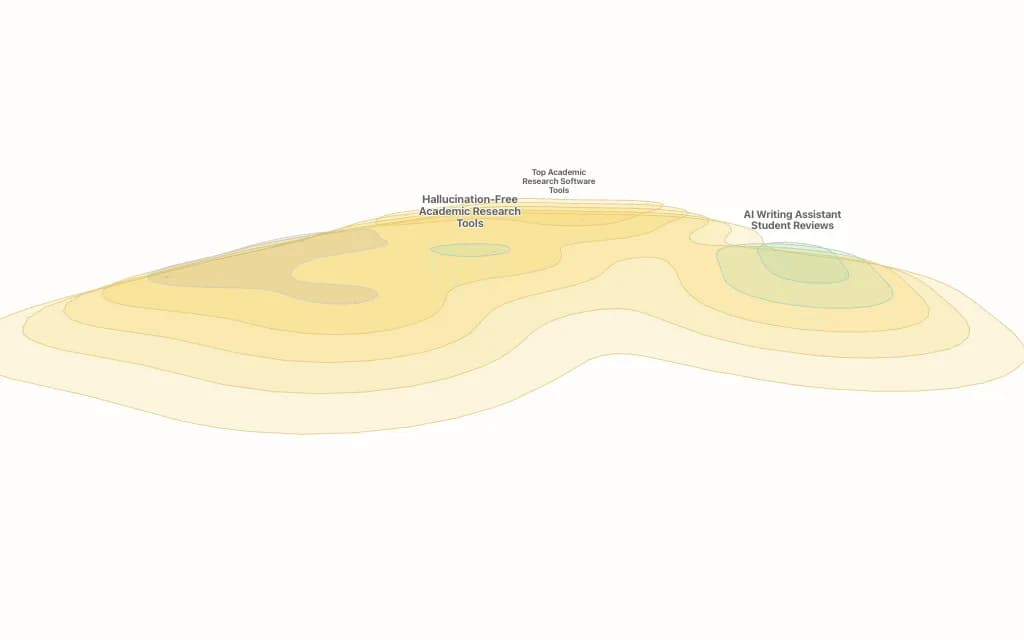
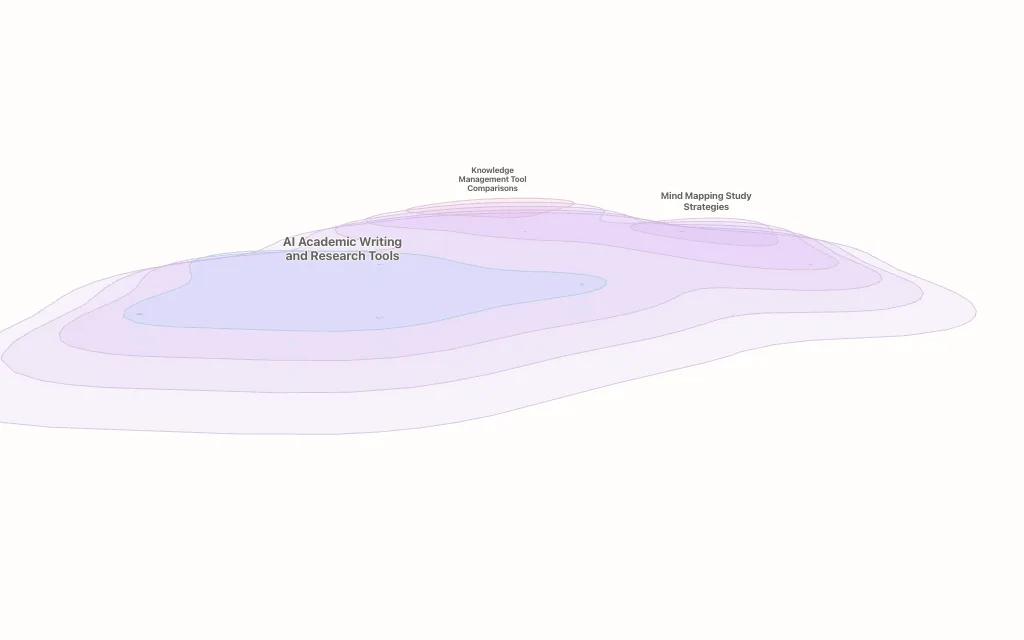
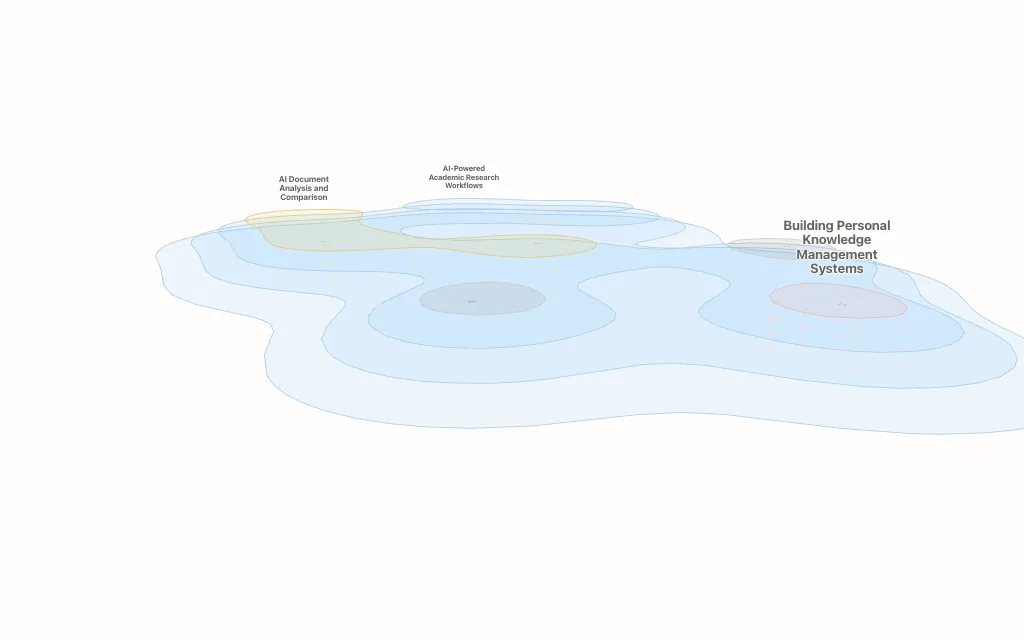
- Generating visual maps that cluster papers by theme
- Enabling AI-powered questions across your entire collection
- Surfacing unexpected connections between papers
Instead of endless scrolling through PDFs, you get a bird's-eye view of your research landscape.
From Reading to Understanding
The goal of research isn't just to read papers. It's to synthesize them into new understanding. Atlas's AI chat lets you query your paper collection as if it were a knowledgeable colleague:
- "What are the main criticisms of this methodology?"
- "Which papers discuss the relationship between X and Y?"
- "Summarize the key findings on this topic"
Every answer cites specific papers, so you can verify and dive deeper.
Building Institutional Knowledge
Research groups accumulate years of relevant papers and insights. Atlas helps preserve and share this knowledge:
- New lab members can explore existing research visually
- Common questions get answered by the AI with proper citations
- Insights don't get lost when team members leave
Your research corpus becomes a living, queryable knowledge base rather than a graveyard of PDFs.
Designed for Academic Workflows
Atlas understands that researchers have specific needs:
- Academic PDF parsing that handles complex layouts
- Citation-aware responses that reference specific papers
- Privacy-first approach that keeps your unpublished research secure
- Export options for presentations and publications