
Audience topic hub
Citation Tools for PhD Students
Citation tool guides for PhD students managing references, source notes, bibliographies, and evidence trails across dissertation-scale projects clearly.
7 articles · Updated Nov 9, 2026
Start here
Paperpal for Students Uses, Pricing, and Alternatives
Research & Synthesis
AI Research Tool That Doesn't Hallucinate: 9 Options
Research & Synthesis
Best AI Tools for Academic Research: 12 Picks, 6 Tested
Research & Synthesis
Best Citation Tools for Research (2026)
Research & Synthesis
Best Literature Review Software: 8 Tools by Stage (2026)
Research & Synthesis
Full library
All articles
Research & Synthesis
Paperpal for Students Uses, Pricing, and Alternatives
Review Paperpal for students by writing use case, price and discount checks, source support, and alternatives for drafting, editing, PDFs, and citations.
Research & Synthesis
AI Research Tool That Doesn't Hallucinate: 9 Options
Find an AI research tool that doesn't hallucinate. Compare 9 systems for academic research using quotes, formal checks, research logs, and citation trails.
Research & Synthesis
Best AI Tools for Academic Research: 12 Picks, 6 Tested
12 AI tools for academic research by stage: Semantic Scholar finds papers, Elicit extracts data, Scite checks citations, Atlas Workspace cites the page.
Research & Synthesis
Best Citation Tools for Research (2026)
Compare citation tools for research: Zotero, Mendeley, EndNote, and Paperpile on price, storage, Word plugins, and PDF notes, and see where Atlas fits in.
Research & Synthesis
Best Literature Review Software: 8 Tools by Stage (2026)
Compare 8 literature review tools for discovery, screening, citation checks, synthesis, and writing. See the best stage, limits, access, and handoff for each.
Research & Synthesis
7 Best AI Research Assistants (2026), by Research Phase
The best AI research assistant by phase: Atlas for cited synthesis, Elicit for extraction, Consensus and Scite for checks, Semantic Scholar for free search.
Research & Synthesis
How to Write a Literature Review with AI: Step-by-Step
How to write a literature review with AI in 7 steps: question, search, screen, read, synthesize, write and revise, with AI tools and screenshots for each.
Related hubs
Keep browsing
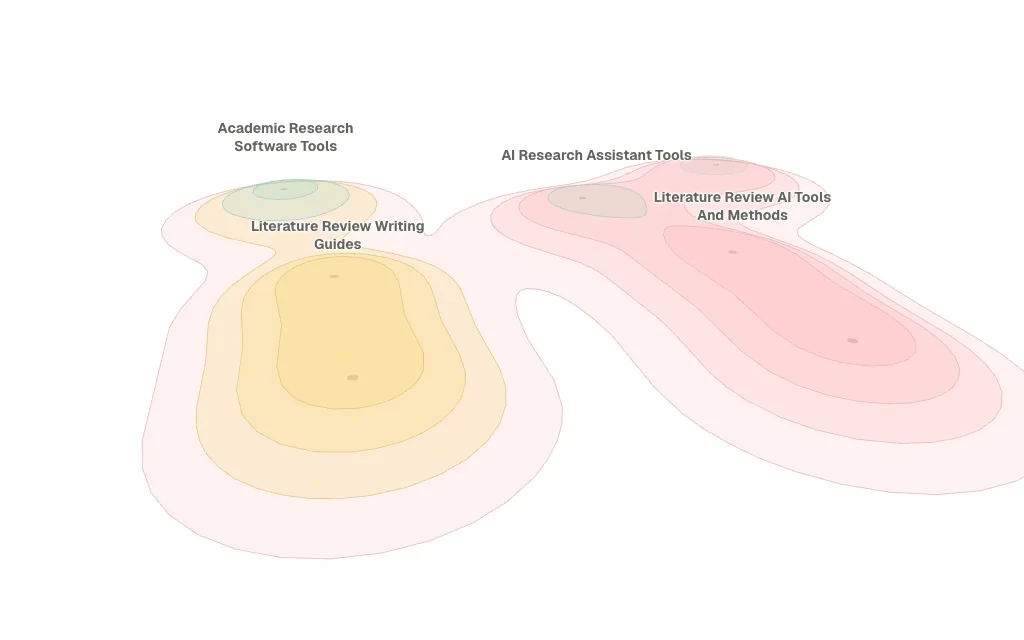
Use Atlas to turn sources into a map you can trust.
Atlas helps you read, connect, and synthesize material behind citation tools for phd students with source-grounded notes, chats, and maps.
Start your workspace