

The TIDieR checklist is a 12-item guide for describing an intervention so that others can understand and repeat it. Use it to match each item to a passage in a report, protocol, or supplement. A checked box should point to the detail that answers the item; a gap should become a question for the author.
Start with the official TIDieR form and keep your source files beside it. Record what was planned, what happened, and what the authors assessed as separate answers.

Map your intervention description to TIDieR
Compare your selected report, supplements, and checklist with source citations.
What the TIDieR checklist covers
TIDieR stands for Template for Intervention Description and Replication. It asks what was used, who took part, where it took place, and what they did. A name such as “usual care” leaves those details open.
The original explanation includes both the intervention and the comparison treatment. Describe each arm when that applies. The checklist can help with reports beyond randomized trials, but it addresses the intervention description within a larger study.
Choose the wider reporting guide for your document too. CONSORT 2025 covers randomized trial reports; SPIRIT 2025 covers trial protocols. The older edition numbers in the 2014 TIDieR paper reflect its publication date. For a trial protocol, the official TIDieR form excludes items 10 and 12, which concern changes and actual delivery.
A detailed account still leaves questions about study design, bias, and results. TIDieR does not give a quality score or prove that an intervention works. Keep those judgments in their own review.
Read the 12 items as description questions
Use the item names as prompts to find the right passage. The expert explanation of TIDieR's items shows why enough detail matters for later use. A reader needs the resources as well as the steps of the task.
Name, purpose, materials, and procedures
- Brief name: What is the intervention called?
- Why: What goal or rationale explains its essential parts?
- What — materials: Which resources were used, and where can readers obtain them?
- What — procedures: What did the provider and participant do?
A theory paragraph may answer “why” but leave the steps unclear. A named manual may answer part of “materials”; check whether the report gives a working route to the relevant version. Flag a missing file without guessing its contents.
People, delivery, place, and dose
- Who provided: What background, training, or expertise did providers need?
- How: Was delivery in person or remote, individual or in a group?
- Where: What space and equipment did the work need?
- When and how much: How many sessions were planned, at what interval, and for how long?
These answers often span several passages. A single session length cannot answer the whole dose question. Keep schedule, duration, and intensity in separate fields when the source reports them.
Tailoring, changes, and delivery checks
- Tailoring: How was the work adapted for each person?
- Modifications: What changed during the study, and why?
- How well — planned: What checks or steps were planned to help people follow the intended method?
- How well — actual: If checked, how closely did the work match the plan?
“Fidelity” means how closely the work matched the intended method. The editorial on reporting detailed interventions treats dose and fidelity as distinct reporting needs.
Training can help providers follow the steps, yet it gives no measured rate of adherence. Keep item 11's plan apart from item 12's results.
Build a passage map before marking gaps
Begin with a permitted copy of the report, its protocol if available, and all relevant supplements. Note the file name and version. For each item, record the source location, a short account of the detail, and any part still unanswered. Use page numbers for PDFs and section names for web reports.
Trace each answer to its file
Read the passage in context before assigning it to an item. A discussion of what future studies should do cannot establish what this study did. A cited method paper may explain an approach, but it does not confirm that the authors followed every step.
Open linked manuals and appendices when they are available to you. If access fails, write “linked file not checked” and retain the link. That is a useful review state: another reader can see the limit and decide whether to obtain the file.
When several documents cover the same item, compare their passages side by side. Keep the protocol's planned dose and the report's delivered dose as separate entries. If they differ, locate the explanation before treating one as a correction of the other.
Use status labels that preserve uncertainty
Choose labels that describe your evidence: reported, partly reported, not found in reviewed files, explicitly not assessed, or not applicable with a reason. These are review-note labels, not an official TIDieR scoring system. The official form has its own author and reviewer notation.
“Not found” means your search did not locate an answer. It does not mean the activity never happened. “Not assessed” requires an explicit statement. “Not applicable” needs a reason tied to the item and document type. Retain the author's wording when your review label adds a distinction.
This is also where an AI source check helps: return to the cited passage and test whether it supports the proposed sentence. Accept a row only after that check. Leave a partial answer partial.
TIDieR worked example from a published report
A 2022 study of online photocollages with older adults in Italy and Israel supplies both a report and a completed TIDieR checklist. The rows below use selected entries from its four-page supplement. They show how to preserve the source's limits.
4 items with different kinds of answers
| Item | Source locator | Detail in the source | Checked map entry |
|---|---|---|---|
| 6: How | Supplement, page 2, item 6 | Individual Zoom sessions used screen sharing and PowerPoint. | Reported delivery mode; retain materials and provider questions in their own rows. |
| 8: When and how much | Supplement, page 3, item 8 | Three sessions of about 90 minutes were planned; delivered sessions ranged from 26 to 120 minutes. | Record planned and actual duration separately. |
| 11: How well — planned | Supplement, page 3, item 11 | Training and supervision supported delivery. | Reported strategies; no adherence percentage follows from this entry. |
| 12: How well — actual | Supplement, page 3, item 12 | The source marks N/A and states that fidelity or adherence was not assessed. | Preserve N/A and add “explicitly not assessed” to explain it. |
Table 1: The final row is easy to misread. A blank answer would leave the reason unknown. Here the source supplies a reason, so ask whether the manuscript states it clearly. Do not turn it into a claim that delivery met the plan.
Distinguish the findings figure from the methods
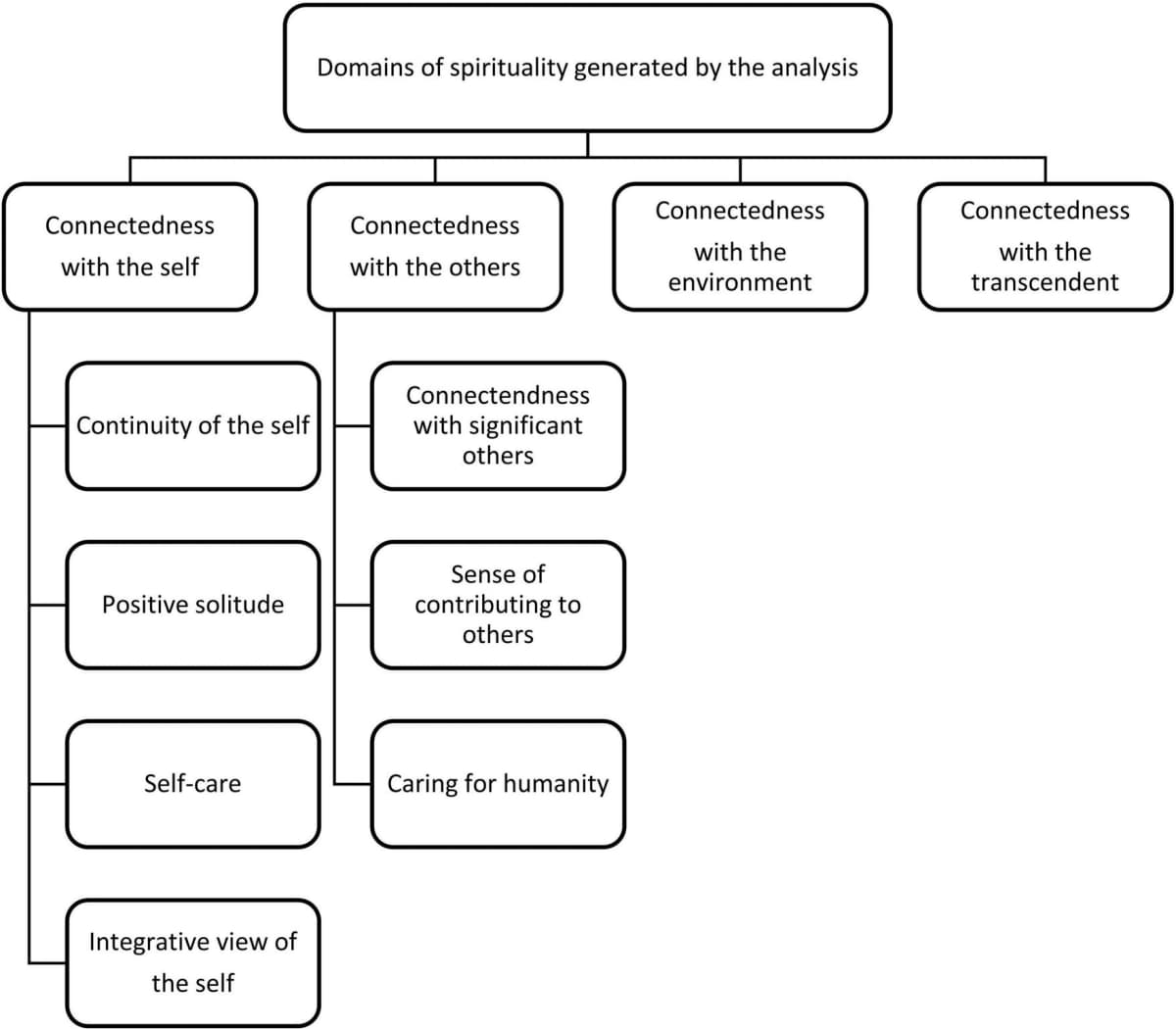
Figure 1 from Keisari and colleagues (2022), reproduced unchanged under CC BY 4.0.
The map groups findings into connectedness with self, others, the environment, and the transcendent. Those themes show what the team found in the data. The figure does not tell you the session steps, dose, or how the team checked fidelity.
Keep findings and methods separate when you synthesize a set of research papers. A compelling results diagram can help explain what authors found while leaving the intervention description elsewhere in the file.
Turn gaps into answerable author questions
Write each query around one missing detail and its current source location. Replace “please add more detail” with “Item 3 names a manual; where can readers obtain the version used?” That gives the author a concrete action and the reviewer a clear way to check the revision.
For a partial dose answer, ask what needs to be clear: how many sessions, how far apart, how long, or how intense. For fidelity, ask whether it was assessed and, if so, where the method and result appear. Avoid asking for an invented rate when the source says no assessment took place.
Check counts as well as prose. In this example, the supplement's total of 78 sessions differs from the regional counts of 37 and 42, which sum to 79. Flag the discrepancy for author review. Do not silently choose a corrected total.
Keep a query log beside the map. After a revision, re-open the new passage, update its locator, and record what remains unanswered. A resolved query should leave a traceable answer, not just a changed status.
Keep a checked TIDieR map in Atlas
Use Atlas to keep the source set, item map, and author questions together. Check the underlying passages yourself before accepting the note.
- Add the report, relevant supplements, and checklist to one project. Check the processed text and name each source clearly enough to distinguish the protocol from the final report.
- Mention the files in chat and ask for a selected-item comparison across those sources. Start with a small set of items whose wording you can verify.
- Follow each citation back to its passage. Retain the file, page or section, and any access limit in the row.
- Save the checked map in a note. Keep open author queries beside the item they concern, then revise them as new evidence arrives.
Use this prompt for a first pass:
Compare TIDieR items 6, 8, 11, and 12 with these sources. For each item, give the file and page or section, the reported detail, and what remains unclear. Separate planned delivery from actual delivery. If you cannot find an answer, say which files you checked. Do not infer a fidelity result from training or supervision.
The finished note should let another reader find the evidence and understand your limits. That is the useful endpoint of the checklist review.
Map your intervention description to TIDieR
Compare your selected report, supplements, and checklist with source citations.