

Treatment fidelity asks whether staff followed the treatment plan. It also covers how a study checks and supports that work. A protocol sets out the plan. Delivery evidence shows what happened.
Compare those sources one part at a time. Keep what staff delivered apart from what people understood and whether they used the skills later.
A table can keep each planned step beside what staff did. Add the source, check method and any open question. Use those facts to narrow the claim before you draw conclusions about outcomes.

Compare fidelity evidence in Atlas
Check protocol and delivery passages, then save the evidence gaps.
What treatment fidelity tells you
The same program name can cover different procedures. Two studies may differ in what each session taught, how long it lasted, how staff were trained or what people practiced.
Bellg and colleagues' framework sets out ways to check and support behavioral treatments across five domains. These domains cover different parts of the process.
Fidelity evidence helps show which treatment people received. It does not itself show that the treatment improved an outcome. That claim needs its own evidence and an account of the study design.
Start with the protocol version the study used and the parts it meant to check. A later manual may describe a changed program. Keep version numbers and changes with the comparison, so the plan you use matches the study.
Read the five fidelity domains
Study design covers the plan for a faithful test of the treatment. Record the planned content, dose and comparison conditions. Also note how the study meant to keep delivery consistent.
Provider training covers how staff were prepared to give the treatment. A record that they attended training differs from a check of their skills. Note which evidence the report gives.
Treatment delivery covers what staff actually gave. Recordings, observations, logs and staff reports can provide evidence. Keep the check method and the parts it covers with each claim.
Treatment receipt covers whether people understood the material and could use the skills taught. The receipt-methods review keeps these targets apart from attendance or satisfaction. Being present does not show understanding.
Treatment enactment covers use of the skills in everyday life. Practice in a session and use afterward are different facts, even if the same form asks about both.
The TANDEM methods paper shows the five domains in a cycle: design, training, delivery, receipt and enactment. The image distinguishes the evidence targets. It does not show that a given study met all five.
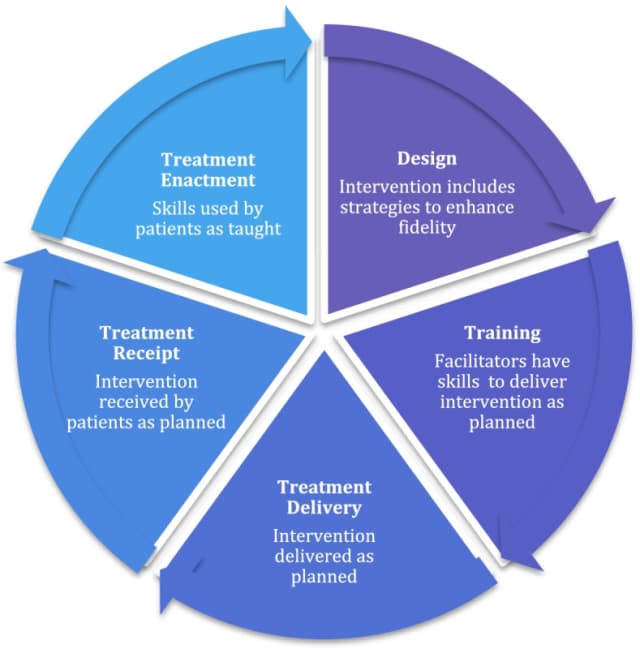
Figure 1 from Steed and colleagues' TANDEM methods paper, © the authors, 2022, CC BY 4.0. Re-encoded as WebP without content changes.
For a state such as induced frustration, a manipulation check asks whether the intended state changed. Evidence that staff followed the plan differs from evidence about how people felt.
Compare planned and delivered components
Imagine a fictional study of a four-session planning workshop. Its protocol requires a goal-setting exercise and practice at each session. The delivery report gives staff logs and observations of selected sessions. Keep those sources distinct: they support different claims.
The table below links the plan to the available evidence. All passage labels are fictional teaching examples, rather than records from a real workshop or an Atlas test. Each row keeps a protocol rule beside the specific fact that needs evidence.
| Component | Planned requirement | Reported evidence | Adherence or gap interpretation |
|---|---|---|---|
| Goal setting | Protocol section 2 requires a written goal | Delivery paragraph 3 says observed sessions included the exercise | Supports delivery in the observed sessions |
| Skill practice | Protocol section 3 requires participant practice | Logs list practice as completed | Provider-reported completion needs its method retained |
| Understanding | Protocol section 4 calls for checking comprehension | Report gives attendance counts only | Attendance does not establish understanding |
| Everyday use | Protocol section 5 requests later application | No follow-up use evidence in supplied passages | Enactment remains unresolved |
Table 1: The table records separate evidence targets; it does not turn them into one fidelity score.
An early note might say the full workshop followed the plan. The passages support less: observed sessions included goal setting, and staff logs said practice was completed.
Keep those findings and flag the missing evidence about understanding and later use. If only some sessions were observed, name that coverage. Do not extend the finding to every session.
If the report and supplement disagree, keep both accounts and their source locations. They may cover different dates, parts or groups. Check those facts before calling the difference a departure from the protocol.
Interpret gaps and assessment coverage
A delivery percentage needs a clear denominator: what is counted in the whole? It might refer to required behaviors, selected sessions, people or staff. Also check whether each part carries the same weight.
The Stop Smoking Services delivery study compared planned behaviors with coded transcripts from selected sessions. It shows why the checked transcripts belong beside the finding about how closely staff followed the plan.
Keep three counts apart: how many sessions took place, how many were filmed or watched, and how many were chosen for the check. Each shows a different part of the coverage.
Find who checked delivery and how they settled disagreements. A staff log differs from an independent observer's account or a coded transcript. All may yield a percentage, but the number should retain its source and method.
The review of fidelity and engagement measures stresses measure quality. Look for evidence of reliability or validity. Do checks give the same result when they should? Do they measure what they claim to measure? A structured checklist alone does not prove those qualities.
Do not apply one threshold to every treatment. Keep any threshold the study used, why it chose it and which measure it applies to. A rule for one program may not fit another.
Reporting gaps do not prove a part was skipped in practice. Write “not reported in the checked material” unless the source says it was not delivered, departed from the plan or has missing data.
Process evaluation asks how the setting shaped what happened. Keep those accounts of context apart from checks of how closely staff followed the plan.
Build the evidence table in Atlas
Add the protocol, delivery report, supplement and check method to an Atlas project, where you have permission to use them. Wait for processing to finish. Open a chat and use @ to select those sources.
Ask: “Compare the planned treatment parts with reported delivery. Give the protocol passage, delivery passage, check method and coverage. Keep receipt and enactment apart and flag missing evidence.”
Open each citation before keeping the table. Check that it uses the right protocol version and limits claims to the sessions assessed. The source must support that scope; a few observed sessions do not stand for all sessions by default.
If Atlas fills the understanding row from attendance, inspect the passage and correct it. Replace “people understood the exercise” with the attendance fact and a separate open question about receipt. Ask a follow-up about a missing domain or conflicting report. If the citation does not open the precise passage, find the section yourself before accepting the claim.
Use New then Note to save the corrected table and source references. Wait for Saved. Keep the coverage limits and unresolved domains beside the delivery findings.
Across treatments, preserve what each protocol means by its parts. The research synthesis workflow helps keep each source's findings clear in a wider comparison.
Save a qualified fidelity interpretation
State which domain was checked, how it was checked and what the source shows. For the fictional workshop, keep goal setting in observed sessions apart from staff-reported practice completion.
Retain the gaps about understanding and everyday use. They limit what the report shows about receipt and enactment. They do not prove that people failed to understand or use the skills.
If you link fidelity to outcomes, give each outcome its own passage and account. Checks of the plan help show what staff did. Claims about benefit or harm need their own evidence.
Before sharing the table, check the source for each completion claim and keep each coverage limit attached. Later reports can then update the account without erasing the earlier evidence.
Compare fidelity evidence in Atlas
Check protocol and delivery passages, then save the evidence gaps.