
Topic hub
Zettelkasten
Zettelkasten methods, connected notes, and atomic research workflows for turning reading into durable ideas, linked claims, and reusable writing material.
9 articles · Updated Oct 2, 2026
Start here
How to Organize Research Notes With Tools and Maps
Visual Thinking
How to Take Smart Notes (PDF Guide 2026): Ahrens Method
Knowledge Compounding
Personal Knowledge Management (2026): The Practical Guide
Knowledge Compounding
How to Take Notes (2026): Methods, Apps, and a 5-Step System
AI-Assisted Learning
How to Build a Personal Knowledge Management System
Knowledge Compounding
Full library
All articles
Visual Thinking
How to Organize Research Notes With Tools and Maps
A practical guide to organizing research notes with source links, tags, summaries, synthesis matrices, Atlas Knowledge Maps, and evidence checks today.
Knowledge Compounding
How to Take Smart Notes (PDF Guide 2026): Ahrens Method
How to Take Smart Notes by Sönke Ahrens, summarized as a workflow you can run today. Zettelkasten, Luhmann's slip-box, fleeting/literature/permanent notes.
Knowledge Compounding
Personal Knowledge Management (2026): The Practical Guide
Personal knowledge management in 2026: compare PARA, Zettelkasten, BASB, Atlas, Obsidian, Notion, and a 30-day plan for reusable knowledge at work and research.
AI-Assisted Learning
How to Take Notes (2026): Methods, Apps, and a 5-Step System
How to take notes effectively in 2026. Cornell, Zettelkasten, outlining, mind mapping, and the PARA method, with the apps and workflow that actually compound.
Knowledge Compounding
How to Build a Personal Knowledge Management System
Personal knowledge management system you can build in an afternoon: Zettelkasten or PARA methods, tools (Atlas, Obsidian, Notion), capture, retrieval.
Knowledge Compounding
7 Best Roam Research Alternatives (2026): Linked Notes
7 Roam Research alternatives on linking, performance, and data ownership. Atlas, Obsidian, Logseq, Tana, and more with migration steps from Roam's block system.
Knowledge Compounding
6 Note Taking Methods Compared (2026): Find Your System
Note taking methods compared: Zettelkasten, PARA, Cornell, Outline, Mind Mapping, and Evergreen. Pick the best note taking system for your use case today.
Knowledge Compounding
Second Brain for Students: A Setup Guide That Sticks
A student-specific second brain setup for lectures, textbooks, research papers, and exams. Covers tool selection (Atlas, Obsidian, Notion), semester setup.
Knowledge Compounding
Zettelkasten Method: What It Is and How to Use It
The Zettelkasten method explained: atomic notes, linked notes, note types, IDs, examples, and when to use it instead of PARA, folders, or a second brain.
Related hubs
Keep browsing
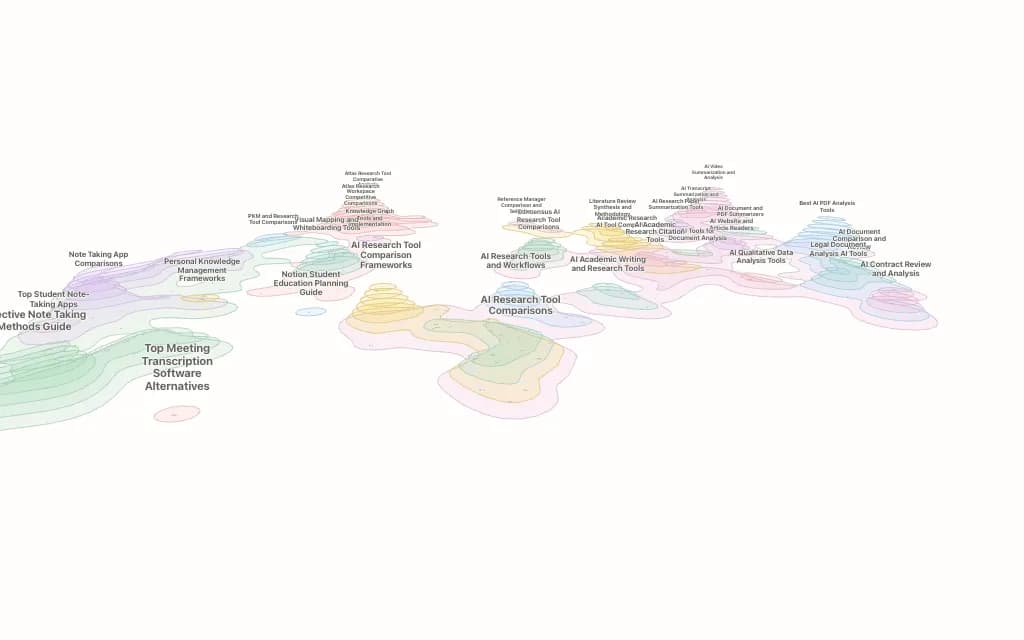
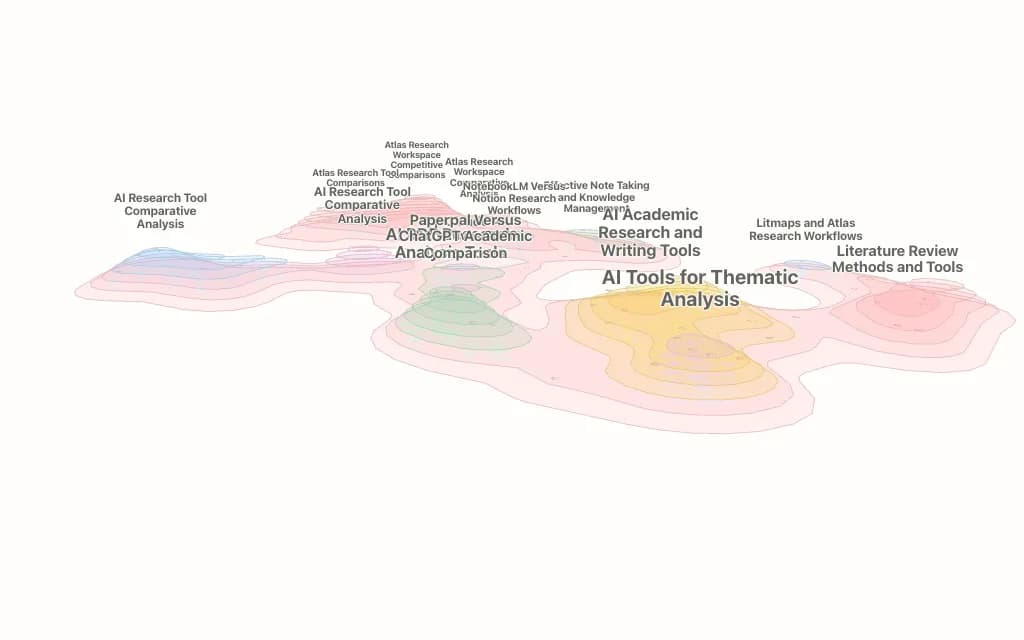
Use Atlas to turn sources into a map you can trust.
Atlas helps you read, connect, and synthesize material behind zettelkasten with source-grounded notes, chats, and maps.
Start your workspace