

Evidence based research uses prior research in a systematic and transparent way to inform a new study. The question is how that evidence changes the need for the study and the choices in its design.
A review in the reference list is a starting point. The rationale still needs to show which finding supports the proposed question, what remains unknown and why the gap matters.
Build a cited note that connects the prior finding to the proposed decision. Atlas can help compare the review and study plan, while researchers judge the need for the study and choose its methods.

Check a study's evidence basis
Compare a prior review with the proposed question and design choices.
What evidence based research means
The Evidence-Based Research Network defines the named approach around using prior research to inform new studies. That use should be systematic and transparent, so a reader can follow the basis for the choice.
The series introduction separates work before a study from placing new results in context afterward. This guide focuses on the first job: whether and how to do the proposed study.
The phrase is sometimes used more broadly for decisions informed by evidence. Keep the job clear. Evidence based practice concerns practical choices; the named research approach concerns the basis for a new study.
Secondary research works with material that already exists. Evidence based research can use that material to guide a new study, but it asks a further question about the value and design of the next piece of work.
Check the prior review before using it
Start with what the review asked. Read its scope, the groups it included, the settings and the outcomes. A review about children in schools may not answer a question about adults in workplaces, even if both concern learning.
Then find the search date and methods. A recent publication may describe a search that ended much earlier. Record what the authors searched and what they left out before treating the review as a current account of the evidence.
Current REVEAL guidance addresses prior evidence when planning clinical trials. It starts with existing reviews and makes topic-dependent currency checks. Its minimum tasks also differ from fuller appraisal and synthesis.
Use that guidance within its clinical scope. It does not set one expiry date for every review or turn a quick search into an exhaustive one. For another field, follow the relevant review methods and record the limits of the process used.
If a source assigns an evidence level to an included study, the levels of evidence guide shows why the named framework and question must stay beside that rating. The number alone cannot establish the need for another study.
If no search date is given in the supplied review, mark it missing. Check a supplement or protocol before deciding that the evidence is up to date. A working note can preserve the question while that check is pending.
If you start with a systematic review abstract, use the PRISMA abstract checklist to check its reported methods and findings. Read the full review before drawing a gap claim from that short account.
When prior evidence includes animal studies, the ARRIVE reporting guide helps trace reported design details to manuscript passages and supplements. Missing reporting alone does not show flawed conduct or justify a new study.
For help with the wider reading task, the literature review guide covers synthesis. Here the aim is narrower: link the prior evidence to a specific choice about the proposed study.
Link the finding to a study decision
A useful rationale names the choice and its basis. Which finding shaped the proposed group, setting, outcome or follow-up? Write the source passage beside the choice so another reader can assess that link.
The original planning guidance by Lund and colleagues connects a shown knowledge gap with end-user relevance. A gap in the literature and a need that matters to affected people both require evidence.
For example, few studies in a setting may be a reason to investigate it further. It does not by itself show that running another study is useful. The reason needs to explain what the new answer would change for the people concerned.
Keep the source finding separate from the researcher's choice. A review might describe short follow-up periods. Choosing a longer follow-up is a design decision whose purpose and feasibility still need to be justified.
The 2024 journal editorial frames synthesis as relevant to justification, design and the later interpretation of results. Preserve which job each cited passage serves in your own plan.
A reasoned decision may be to revise the question or do no new study. The planning paper makes room for that outcome. A rationale should help test the plan, rather than simply defend a choice already made.
A citation does not establish a rationale
An original meta-research review by Andreasen and colleagues examined reported use of systematic reviews to justify clinical research. Its pooled result was 42%, with a 95% confidence interval of 36% to 48%.
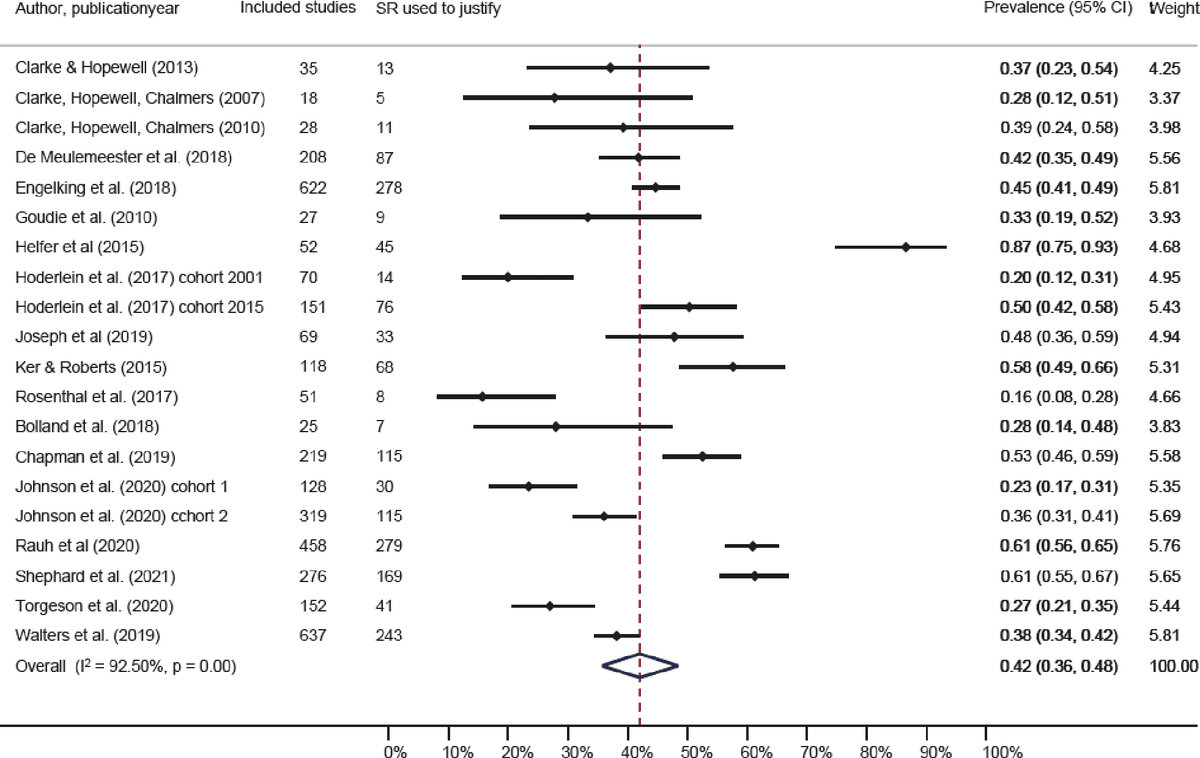
Figure 2 is reproduced unchanged from Andreasen et al. (2022) under CC BY 4.0.
The forest plot shows proportions for the sampled cohorts, their confidence intervals and a pooled estimate. The rows vary widely. Those percentages measure reported review use in this research sample, not whether all studies were worthwhile.
The review also notes limits in how earlier evidence use was assessed. A citation count leaves questions about relevance and actual use open. Read what the cited review contributed to the rationale instead of treating citation presence as proof of a sound decision.
In your own note, preserve that distinction. The fact that a paper cites a review and the fact that it uses a review finding to choose an outcome are different claims. Each needs its own supporting passage.
A worked study rationale note
Imagine a fictional plan for a reading programme with adult learners. Its supplied review covers school settings and short-term outcomes. The review publication is recent, but its search date is missing from the supplied text.
The draft plan claims that no prior adult study exists and proposes a six-month follow-up. These are invented teaching details, with no participant data or real review results. They show how to check the reasoning rather than prescribe a study design.
The note below connects each source detail to a proposed choice and leaves the unresolved part visible.
| Source detail | Proposed decision | Rationale still needed |
|---|---|---|
| Review includes school settings | Study adult learners | Explain the relevance of the new setting and check adult evidence |
| Review reports short-term outcomes | Use six-month follow-up | Explain why this duration matters and whether it is feasible |
| Search date missing in supplied text | Claim no earlier adult study exists | Retrieve the search details and check coverage before claiming absence |
| End-user priorities not supplied | Describe the question as important to learners | Find and document the basis for that relevance claim |
Table 1: The main correction is to replace the claim of no earlier adult study with a narrower statement: the supplied review does not establish adult-study coverage. Missing coverage is an open question, not proof of a novel question.
For a real paper, replace each teaching detail with a source page, section or table. Preserve the researcher's decision and reason in separate fields. If an expert or end user provides further input, record its basis and how it changes the plan.
The research proposal outline provides a place to develop the wider plan. Keep this rationale note alongside it so each design choice can be traced to the evidence or judgment that supports it.
Trace the rationale in Atlas
Add the permitted review, proposed study rationale and decision notes to one Atlas project. Once you can read the sources, start a chat. Use @ in Ask a question to select them, then ask:
Trace how this prior review informs the proposed study. Find the review question, scope and search date. For each proposed choice, cite the supporting finding and keep the researcher's reason separate. Mark missing facts as not reported. Do not infer that no prior study exists from an omitted setting or a publication date.
Select Send and open each numbered citation. Read the surrounding passage. A statement about which studies were included may leave the search limits unclear. Check that the answer preserves what the source does and does not say.
If the answer claims that the adult setting is new, ask which source establishes that claim. Correct it when the source only describes school studies. The note should keep the broader search question open until it has been checked.
Select New, then Note, and save the corrected rationale with source pages, choices, reasons and missing facts. Wait for Saved before closing. Atlas helps compare supplied texts; researchers retain the search, appraisal and study-value decisions.
Keep the decision open to new evidence
When a new study, updated review or end-user comment arrives, revisit the choice it affects. Does it answer the gap, change the outcome that matters or reveal a problem with the planned setting? Keep the old reason and explain the change.
A revised rationale should show which source changed which decision. It may support the same plan, a new question or a decision to stop. That record makes the use of prior evidence visible when the proposal is reviewed again.
The EVBRES overview also extends the approach to putting new findings in context after a study. Carry the rationale forward when you report the results, with a clear record of how the evidence base has changed.
Check a study's evidence basis
Compare a prior review with the proposed question and design choices.