
Best Nursing Student Apps (2026): 10 Study & Clinical Tools
The 10 best apps for nursing students in 2026. Atlas, UpToDate, Epocrates, NCLEX prep apps, Anki, Notability, and clinical reference tools tested for nursing.
- Byline

Summary
The best nursing app setup covers lookup, drugs, flashcards, notes, and paper review.
The guide compares study, note, NCLEX, and care-floor tools for nursing school.
Use lookup apps on the floor, Anki for memory work, and Atlas for cited study answers.
The review covers school use, price, free access, trust, and note setup.
Nursing school is a four-way fight: lectures, clinicals, drug references, and NCLEX prep. Each requires a different app. The right stack covers all four without paying for redundant tools.
This guide ranks 10 apps tested across the four jobs nursing students hire apps for.
 Atlas
AtlasCompare AI study tools for nursing school
Compare tools for nursing papers, citation checks, and study synthesis.
What to Look for in Nursing Apps
For a phase-by-phase guide to using AI during a research project, see the student's guide to AI research.
Nursing students usually need four tool types. For lecture notes, use Apple Notes, Notability, OneNote, or GoodNotes. Fast capture matters more than extra features when a lecture is moving quickly.
For lookup on the care floor, UpToDate plus Epocrates or Medscape covers most point-of-care questions. School libraries often cover access. For memory work, Anki remains the default for drugs, lab values, and anatomy. For NCLEX prep, UWorld NCLEX-RN is the default purchase in semesters 5-6.
The source-link layer usually appears in semester 3 or later. Atlas is for asking questions such as "what does my pathophysiology folder say about heart failure?" and getting answers grounded in your own notes.
10 Best Apps for Nursing Students
The ranked list covers the ten jobs that recur across lectures, clinical rotations, medication study, and NCLEX preparation. Use the app descriptions to identify the missing job in your current stack before paying for an overlapping tool.
1. UpToDate: Leading Clinical Reference
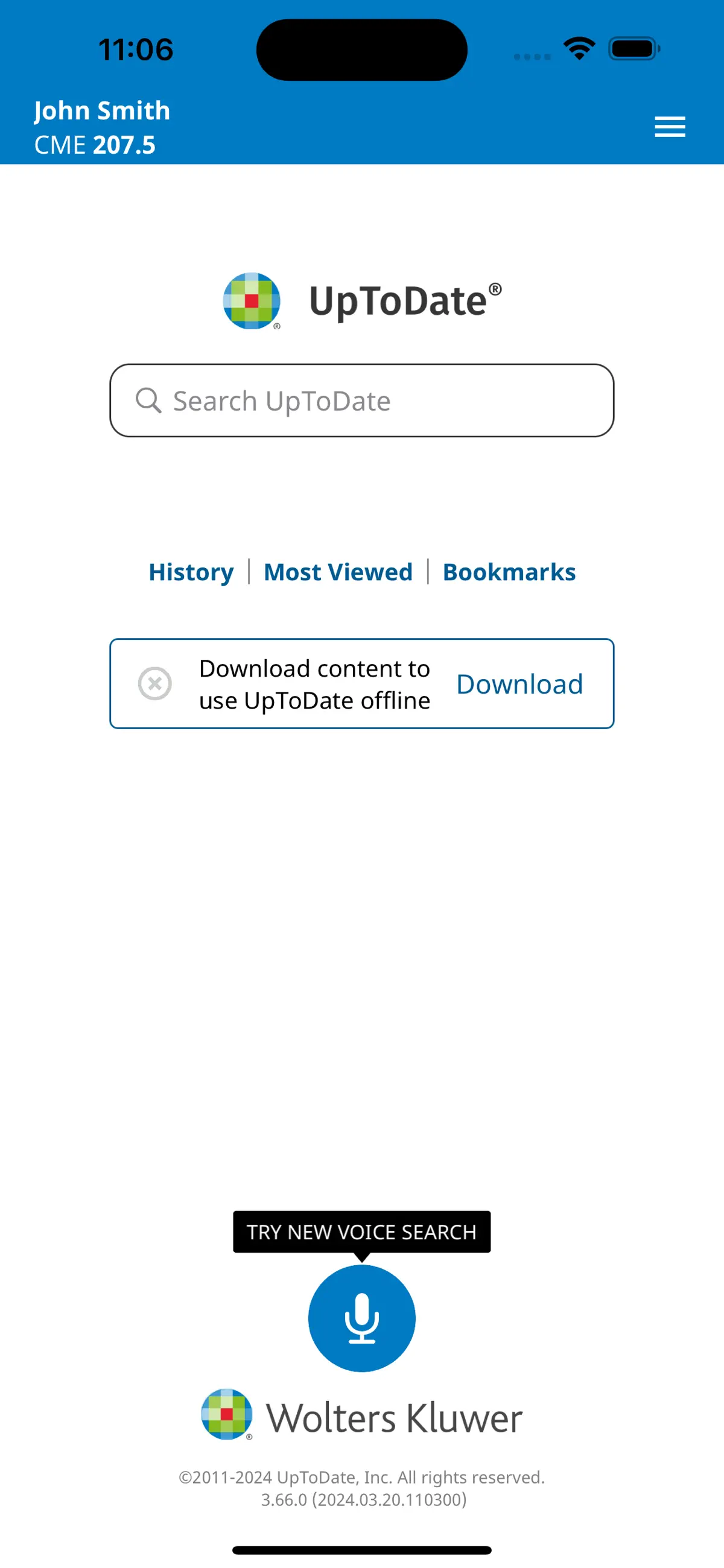
UpToDate is the gold-standard clinical reference. Its evidence-based summaries are used in 95%+ of US hospitals. Use it during clinical practice when a question needs strong support. Retail access is $259/year, but most programs provide it through the school library.
2. Epocrates: Most-Used Free Drug Reference
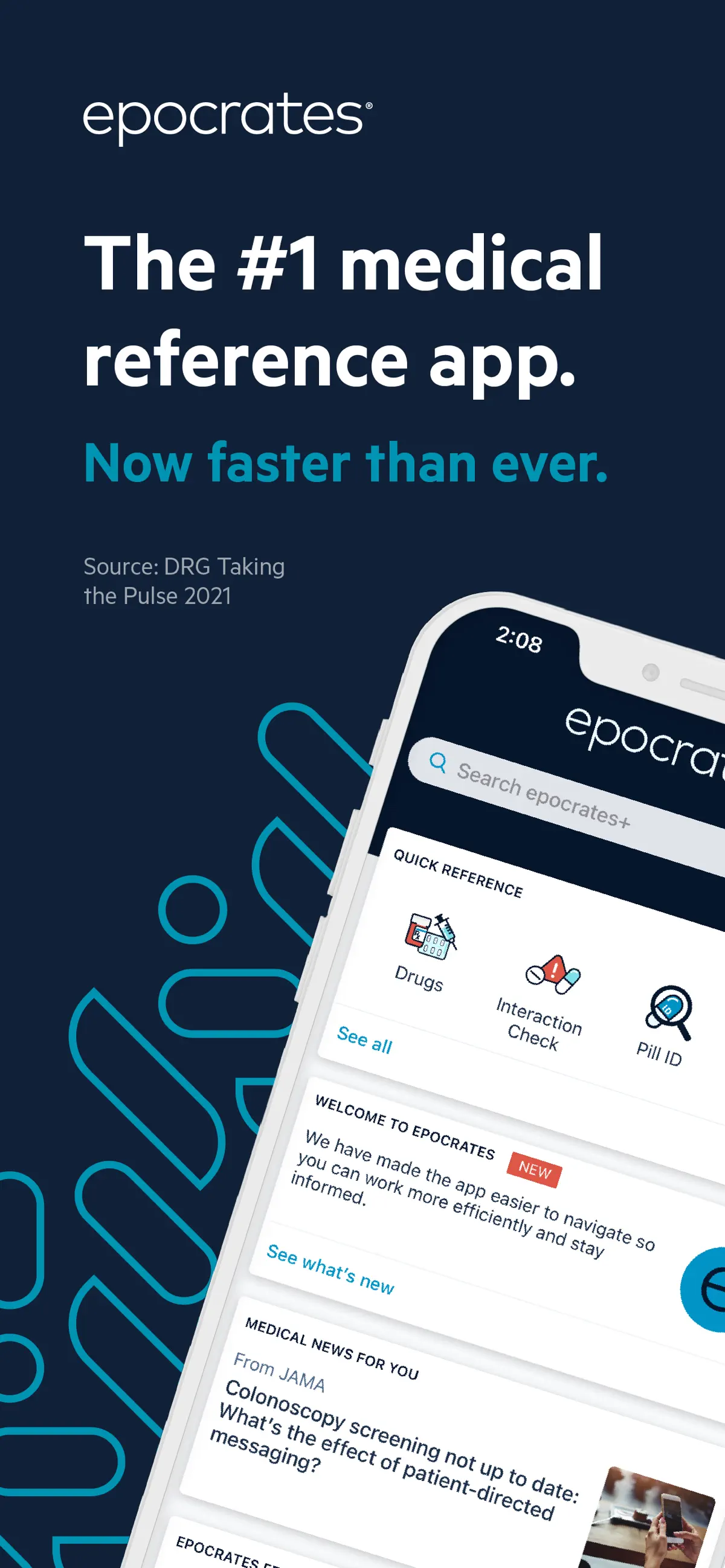
Epocrates is the free drug reference used by millions of healthcare professionals. It covers interactions, dosing, and pill ID. Use it for quick drug lookups during clinical shifts. The basic tier is free, while Plus adds clinical content for $174.99/year.
3. Atlas: Best for AI-Grounded Study Synthesis
Atlas turns lecture notes, textbooks, and de-identified study notes into a mind map with cited Q&A. The useful part is cross-course questioning. Ask "what do my notes say about acid-base balance?" and get answers grounded in your own material.
Atlas is most useful in semester 3 or later, once courses start referring back to earlier material. Atlas Pro is $20/month. For assigned papers and evidence-based practice work, compare AI tools for nursing research and study.
4. Anki: Gold-Standard Flashcards
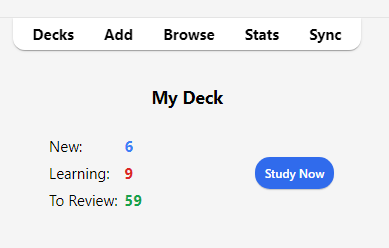
Anki is the spaced-repetition flashcard app used by medical and nursing students worldwide. It is free on Mac, Windows, Android, and web. The iOS app is $24.99 once. Pre-made nursing decks from BrainScape and Quizlet alternatives speed setup. Use it for drugs, lab values, and anatomy facts.
5. Notability: Best for Lecture Handwriting
Notability runs on iPad and Mac and records audio with handwritten notes. Tap a word and Notability replays the audio from when you wrote it. It is best for students who handwrite lecture notes on iPad; the iPad note-taking guide compares handwriting, typing, and PDF annotation setups. Pricing is $14.99/year.
6. UWorld NCLEX-RN: Leading NCLEX Prep
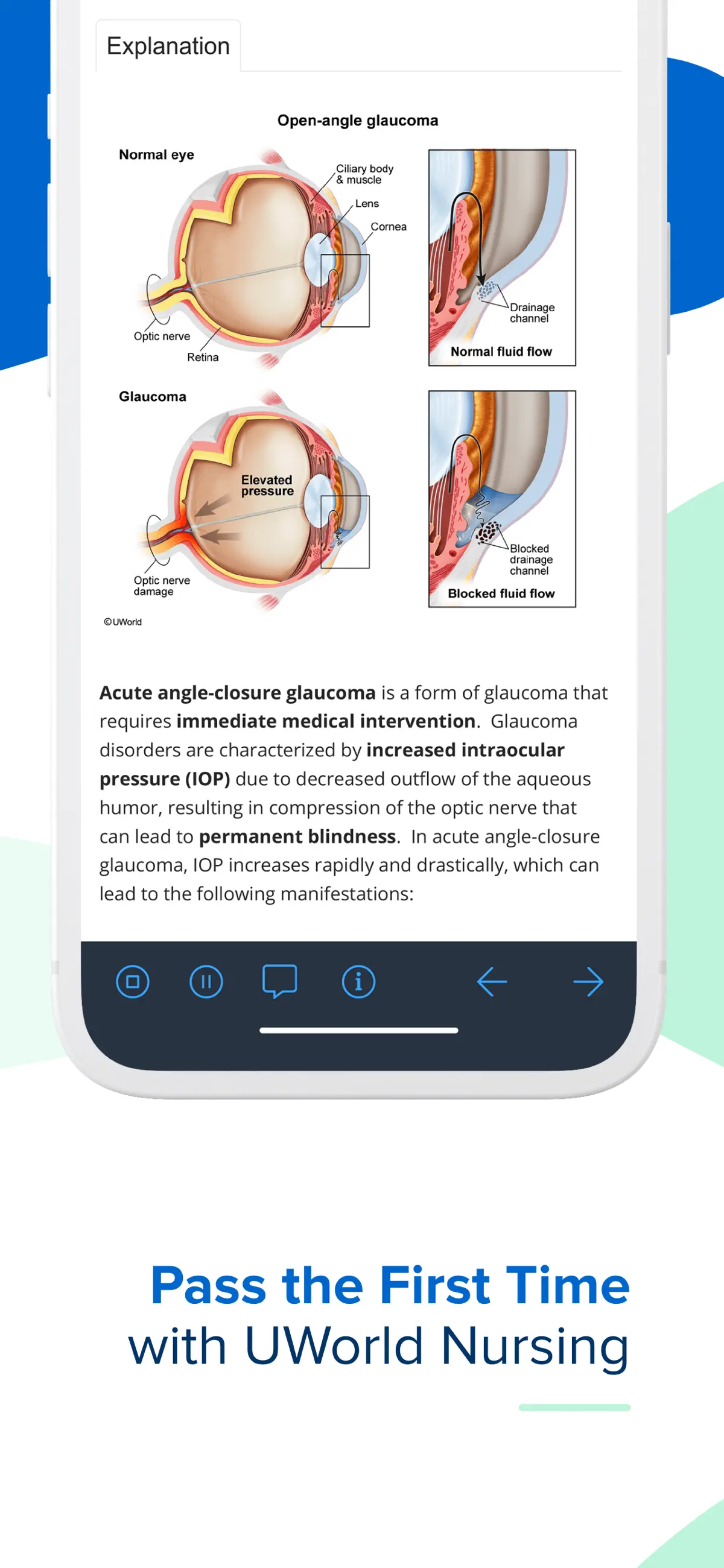
UWorld NCLEX-RN is a focused NCLEX prep app with 2,000+ questions and detailed rationales. Buy it in semester 5-6, when practice questions match the immediate exam job. The student study-app guide compares it with the broader tools used earlier in a degree. Pricing runs from $129 for 30 days to $429 for 180 days.
7. Medscape: Best Free Clinical Reference
Medscape is the free clinical reference with drug checks, disease summaries, and guidelines. It is less trusted than UpToDate. It is still free and broad, so it works as the fallback when UpToDate is not available.
8. Davis's Drug Guide for Nurses
Davis's Drug Guide is a nursing-specific drug reference that is often included through school access. It gives more nursing context than Epocrates. Use it when an assignment or instructor asks for nursing-specific drug notes, and check the library before buying a copy.
9. Apple Notes: Best Free Lecture Capture
Apple Notes is the free Apple note app with Apple Intelligence summaries. It is fast, syncs across iPhone, iPad, and Mac, and costs nothing beyond an Apple ID. It is the default quick-capture app for nursing students who use Apple devices.
10. Lexicomp: Drug Interaction Reference
Lexicomp checks drug interactions and is often free through the school library. It has stronger checks than the Epocrates free tier. Use it when the school already gives access.
Practical Constraints and Study Methods
The app name matters less than whether it works safely on the clinical floor, remains available without reliable Wi-Fi, fits the weekly study budget, and supports the learning method behind the task. The following checks cover those operating conditions.
Data Privacy and HIPAA Considerations
Treat patient notes with care. They can contain protected health information, so the rules are stricter than class notes.
Never enter real patient IDs in any consumer note app. Apple Notes, Notability, OneNote, and Atlas do not include a HIPAA business deal by default. Remove names, MRNs, exact dates, room numbers, and other IDs before notes leave the school system. The nursing note-taking guide explains how to keep study notes useful without copying patient identifiers.
Use school-provided tools for any documented patient encounter. Most nursing programs provide an EHR sandbox or HIPAA-compliant platform for clinical paperwork. Keep patient stories there and study notes elsewhere.
Check school SSO before paying. UpToDate, Lexicomp, Davis's Drug Guide, and often UWorld are licensed by the school under per-seat agreements. Pay only after you confirm the library does not cover it.
For drug apps, Epocrates and Medscape collect usage data. They should not receive patient data because the user should not enter any. Atlas processes uploaded content on its servers. Use it for study notes and de-identified case discussion. Keep raw patient charts out of any consumer app.
Offline Capabilities
Hospital Wi-Fi is unreliable and many clinical floors block guest networks, so offline behavior matters.
Anki, Notability, Apple Notes, and a Davis's Drug Guide print or ebook copy are the most reliable offline options. Anki keeps the full deck on device. Notability caches notes and PDFs. Apple Notes resumes iCloud sync when the device is back online.
Epocrates, UpToDate, and Lexicomp are partial-offline tools. Epocrates caches recent drug lookups. UpToDate has an offline content download for the mobile app. Lexicomp ships an offline mobile mode at most schools.
UWorld NCLEX, Medscape, and Atlas are effectively online tools for their core workflows. UWorld streams the test bank, Medscape keeps most content online, and Atlas needs the server for AI Q&A.
The care-floor stack is simple: Epocrates offline cache, UpToDate offline, and a paper drug card for the unit's top 20 drugs. Skip Atlas on the floor. That work happens at home.
Study Time Management Across the Stack
The students interviewed kept to three rough hour budgets.
During a normal lecture week with no exam, expect 8-10 hours of capture in Notability or Apple Notes during class. Add 3-5 hours of Anki review. Use 1-2 hours of Atlas synthesis to connect new content to prior weeks. Skip clinical-reference lookups unless a care plan is due.
During exam week, use 6-8 hours of Atlas Q&A across the unit's notes to surface gaps. Add 5-7 hours of Anki on flagged cards. Use 2-3 hours of UWorld-style practice questions if the exam mirrors NCLEX format. Once the note base passes 100 lectures, the synthesis layer can cut review time.
During final-semester NCLEX prep, plan for 2-3 hours of UWorld questions per day. Add 1 hour of Anki for drugs and lab values. Use 30 minutes of Atlas review on weak topics. Total study time is usually 100-150 hours over 6-8 weeks.
NCLEX Pass-Guarantee Policies
Three vendors offer guarantees, and the terms vary.
UWorld NCLEX-RN offers a pass guarantee on the QBank + Self-Assessment bundle. Students must complete the full QBank and score top-tier on a self-assessment. If they still fail, UWorld extends free access. Conditions are strict, so read the policy before relying on it.
Kaplan NCLEX has the longer-standing pass guarantee on the live or on-demand course. Complete the program, pass the practice tests, fail the NCLEX, and Kaplan refunds tuition or extends access. It has the strongest guarantee by track record.
ATI ships its predictor exam with a score that estimates pass odds. Many programs require a passing predictor before the NCLEX. ATI does not offer a pass-or-refund guarantee directly to students. Archer Review does not advertise a pass guarantee, though it offers free retakes on readiness checks.
A guarantee only pays off if the student completes the work. The students who pass on the first attempt complete 75%+ of UWorld's QBank with a top-tier self-assessment score.
User Reviews and Reported Pain Points
Cross-checking Reddit r/StudentNurse, App Store reviews, and Google Play shows a consistent pattern. Students trust UpToDate, but school-license login can be annoying. Reauthentication every 90 days can break offline mode. Epocrates earns praise for the free tier, while Plus feels overpriced unless the student is also premed.
Atlas gets the strongest comments from semester 3+ students who have enough notes for synthesis to matter. It is less useful in semester 1, when note volume is still low. Anki gets praise for the algorithm, with complaints focused on the iOS price and steep deck-building curve. Notability's audio sync is the standout feature, but Android users cannot use it. UWorld NCLEX has strong question quality, a dated UI, and a price that stings. Apple Notes is fast and free, but its organization starts to feel thin past 200 notes.
Spaced Repetition Methodology in Nursing Apps
Three apps in the stack use spaced repetition, but the algorithms differ.
Anki uses the SM-2 algorithm and also offers FSRS, or Free Spaced Repetition Scheduler. Anki's FSRS documentation explains how it schedules cards from the retention target and review history. That makes FSRS useful for large drug decks where an unnecessary review has a real time cost.
UWorld NCLEX uses mixed practice rather than spaced repetition. The QBank reshuffles questions across systems. One block may touch cardio, endocrine, and renal topics in random order. Mixed blocks transfer better to the actual NCLEX than single-system blocks at equal time.
Atlas does not use card-based spaced repetition because the synthesis layer is graph-based. The closest equivalent is the mind-map view, which surfaces stale clusters that have not been linked or queried recently.
For pure memorization (drugs, lab values, anatomy) Anki + FSRS is the strongest choice. For application questions (NCLEX-style), UWorld's interleaving wins. Use both: Anki locks in the facts, UWorld trains clinical reasoning across them.
Platform and AI Comparisons
Platform support decides whether the stack follows a student from lecture hall to clinical site. AI support is a separate question: a summary tool should show which note or source supports an answer before that answer affects study or care planning.
Cross-Platform Accessibility
| App | iOS | Android | Mac | Windows | Web | Linux |
|---|---|---|---|---|---|---|
| UpToDate | Yes | Yes | Browser | Browser | Yes | Browser |
| Epocrates | Yes | Yes | No | No | Limited | No |
| Atlas | Yes | Browser | Yes | Yes | Yes | Browser |
| Anki | Paid | Free | Free | Free | Free (AnkiWeb) | Free |
| Notability | Yes | No | Yes | No | No | No |
| UWorld NCLEX | Yes | Yes | Browser | Browser | Yes | Browser |
| Medscape | Yes | Yes | Browser | Browser | Yes | Browser |
| Apple Notes | Yes | No | Yes | iCloud Web | iCloud Web | No |
| Davis's Drug Guide | Yes | Yes | Browser | Browser | Yes | Browser |
| Lexicomp | Yes | Yes | Browser | Browser | Yes | Browser |
Table 1: Cross-platform availability of nursing student apps across iOS, Android, Mac, Windows, web, and Linux.
Android students lose two tools. Notability has no Android client. Apple Notes has no native Android client. Substitute Notability with Squid or OneNote, and substitute Apple Notes with Google Keep or OneNote.
Linux students lose more. Most clinical references run only in the browser on Linux, with no native client. Anki is the rare exception with a first-class Linux desktop client.
AI-Generated Study Summaries Compared
Six apps in the stack offer some form of AI summary or AI Q&A. The key test is source grounding: does the AI cite the user's own notes, the textbook, or the open web?
Atlas gives cited Q&A from uploaded notes and PDFs. The cites point to the exact note line. It is best for cross-course questions such as "what does my pathophysiology folder say about heart failure?"
Apple Intelligence in Apple Notes sums up one note at a time. It has no cross-note synthesis and no cites. It is still useful for turning a long lecture transcript into bullets. OneNote Copilot sums up a notebook section and can answer questions, but it does not cite specific notes. Its stronger native feature is tag-based search.
Notability AI turns handwritten lecture notes into text and gives a summary within one note. UpToDate Pathway gives AI-curated clinical reasoning paths. It operates only within UpToDate's own content and cannot query the user's notes at all.
General ChatGPT or Claude sessions can reason well, but they are ungrounded. They can fabricate drug interactions if pushed past the source material. Use them only with an upload-and-grounded workflow like Atlas.
For nursing study, grounding is the safety axis. An AI that sums up drug interactions without citing the user's drug textbook is a risk. Pick tools that show their sources.
NCLEX Pass-Guarantee Detailed Comparison
This table covers guarantee terms and conditions. The best predictor of passing is still completing the practice bank before test day.
| Vendor | Guarantee | Price | Cohort Pass Rate (vendor-reported) | Conditions |
|---|---|---|---|---|
| UWorld NCLEX-RN | Free 30-day extension if you fail | $129-$429 | 96% (vendor) | Complete 100% of QBank, score top-tier on self-assessment |
| Kaplan NCLEX | Tuition refund or extended access | $99-$499 | 95% (vendor) | Complete the course, attend live sessions if applicable, fail on first attempt |
| ATI | No direct student guarantee | $199+ | School-licensed | Predictor-based, and many schools require a passing predictor before NCLEX sit |
| Archer Review | No pass guarantee | $69-$299 | Not published | Free retakes on readiness assessments |
Table 2: NCLEX prep vendor guarantees — terms, pricing, vendor-reported pass rates, and completion conditions.
The UWorld and Kaplan guarantees both require completion. Students who buy a guarantee then study at half-volume forfeit it. The guarantee aligns vendor incentive with student effort: it only triggers when the student has done the full work.
Comparison Table
Use this table to decide which app fills each job in the nursing-school stack. Start with free or school-provided tools, then pay only for the gap that remains.
| App | Job | Free Tier | Paid From | Free via School |
|---|---|---|---|---|
| UpToDate | Clinical reference | No | $259/yr | Usually yes |
| Epocrates | Drug reference | Yes | $174.99/yr | Free tier sufficient |
| Atlas | Study synthesis | Yes | $20/mo | No |
| Anki | Flashcards | Free | $24.99 iOS | N/A |
| Notability | Handwriting | Limited | $14.99/yr | No |
| UWorld NCLEX | NCLEX prep | No | $129+ | Sometimes |
| Medscape | Clinical reference | Free | $0 | N/A |
| Davis's Drug Guide | Nursing drug ref | No | $59.99 | Often yes |
| Apple Notes | Capture | Free | $0 | N/A |
| Lexicomp | Drug interactions | No | Varies | Usually yes |
Table 3: Nursing student app comparison — job, free tier availability, paid pricing, and whether the school commonly provides access.
Suggested Nursing Student Stack
In year 1, start with Apple Notes or Notability for capture. Add Anki for memory work, Epocrates free for drug lookup, and Medscape free for clinical reference. Cost stays between $0 and $14.99/year.
In years 2-3, add UpToDate through the school, Davis's Drug Guide through the library, and Atlas Pro for source-linked study. The stack cost usually stays the same except for Atlas if you choose to add it.
In year 4 or final-semester NCLEX prep, add UWorld NCLEX-RN for $129-$429. Upgrade Atlas to Pro if you need more source-linked review. The final-semester push usually costs $130-$450.
When Atlas Fits
Three signals indicate that synthesis is worth adding.
First, content from earlier courses keeps coming back. Pathophysiology in semester 1 reappears in Pharmacology in semester 3 and again in Med-Surg in semester 4. Synthesis tools surface those connections.
Second, you have 100+ lecture notes and search is failing. Plain text search is not enough once the corpus gets large. Atlas's AI Q&A grounded in your notes saves hours during exam prep.
Third, you are writing care plans and need to cross-reference. Atlas's mind map shows how patient symptoms, drug interactions, and nursing diagnoses connect across your notes.
If you're in semester 1-2, plain note-taking is fine. The source-link layer pays off as content volume grows. When your study job is connecting readings, lecture notes, and evidence-based practice papers, Atlas can act as a bonus study layer. Keep the drug and care-floor tools for lookup.
Final Take
Choose a staged stack rather than one all-purpose app. Use UpToDate plus Epocrates for clinical reference, Atlas plus Anki for study and synthesis, Notability or Apple Notes for lecture capture, and UWorld NCLEX for the final-semester prep push.
Treat Medscape, Davis's Drug Guide, and Lexicomp as free or library-provided supplements. Build the stack in stages: year 1 should remain fast and inexpensive, while year 4 adds the focused cost of NCLEX preparation.
AtlasCompare AI study tools for nursing school
Compare tools for nursing papers, citation checks, and study synthesis.
Frequently Asked Questions
There is no single best app, nursing students need a stack. UpToDate ($259/year, often free via school) is the leading clinical reference. Epocrates (free tier) is the most-used drug reference. Atlas (Pro $20/month) leads for AI-grounded study notes synthesis with source-cited Q&A across textbooks and lecture notes. Anki (free) is the gold-standard flashcard app for memorization. Notability ($14.99/year) is the lecture handwriting app. UWorld NCLEX ($129+) is the leading NCLEX prep app.