
Topic hub
Research Synthesis
Articles on turning many papers, reports, and notes into traceable synthesis: compare sources, find patterns, and build defensible research outputs fast.
123 articles · Updated Oct 2, 2026
Start here
Atlas vs NotebookLM vs Obsidian (2026): Which Fits You?
Knowledge Compounding
AMSTAR 2: Build a Review Appraisal Evidence Note
PRISMA Abstract Checklist: Check Each Reported Item
Synthesis Paragraph: Connect Sources Without Losing Limits
Integrative Review: Compare Different Kinds of Evidence
Research & Synthesis
Explore
Research & Synthesis
Research & Synthesis
Integrative Review: Compare Different Kinds of Evidence
An integrative review brings studies and theory together. Use a mixed-evidence matrix to check each source's claim, type, and limit in your synthesis.
Research & Synthesis
Literature Review vs Annotated Bibliography: A Worked Example
Literature review vs annotated bibliography: compare purpose and structure, then see the same sources turn from annotations into a checked synthesis paragraph.
Research & Synthesis
Meta Synthesis: Compare Qualitative Study Findings
Learn how meta synthesis brings qualitative studies together, preserves each study's context, and develops a new interpretation without pooling effect sizes.
Explore
Knowledge Compounding
Knowledge Compounding
Atlas vs NotebookLM vs Obsidian (2026): Which Fits You?
Compare Atlas, NotebookLM, and Obsidian by source grounding, local file ownership, linked notes, visual maps, pricing, and fit for research workflows.
Knowledge Compounding
Obsidian for Research Tools and Workflow Fit in 2026
Compare Obsidian for research with Atlas, Zotero, Elicit, ResearchRabbit, plugins, and academic note systems by citations, synthesis, and setup effort.
Knowledge Compounding
Tana Alternatives for Structured Notes and Cited Research
Compare Tana alternatives for structured notes, mobile capture, object-based PKM, cited research workflows, Atlas, Capacities, Obsidian, and Roam tradeoffs.
Explore
Visual Thinking
Visual Thinking
Knowledge Graph Generator Guide for Source-Grounded Maps
Learn what knowledge graph generators create, when to use graph database builders, and when Atlas Knowledge Maps fit source navigation and synthesis best.
Visual Thinking
Best Concept Map Makers for Source-Based Visual Maps
Compare concept map makers for templates, AI mapping, team whiteboards, exports, and Atlas Knowledge Maps tied to source material in research workflows.
Visual Thinking
Heptabase Alternatives for Visual Research Workflows
Heptabase alternatives compared by canvas depth, local control, source handling, citations, AI research, and visual knowledge workflow tradeoffs today.
Explore
AI-Assisted Learning
AI-Assisted Learning
AI for Student Research (2026): 9 Real Workflows Guide
AI for student research, grounded in 14 interviews with undergrads, masters, and PhDs across psychology, healthcare, CS, and humanities. Tools, workflows.
AI-Assisted Learning
7 Best AI Reading Assistants 2026: Papers, Articles, & Books
Compare 7 AI reading assistants and AI reader tools for papers, articles, and books by citation, PDF/EPUB support, exports, privacy, pricing, and best-fit job.
AI-Assisted Learning
How to Use NotebookLM (2026): Tips, Tricks, Pitfalls
How to use NotebookLM well: source management, question strategies, audio overviews, and when a different tool is the better fit for your research workflow.
Full library
All articles
Knowledge Compounding
Atlas vs Saga (2026): An In-Depth Research Comparison
Atlas is a visual research workspace, Saga is a workspace tool combining notes, tasks, and AI. Compare paper deconstruction, citation grounding, and fit.
Knowledge Compounding
Atlas vs Scite (2026): An In-Depth Research Comparison
Atlas is a visual research workspace, Scite is a citation-context tool that classifies how papers cite each other. Compare paper deconstruction and citations.
Knowledge Compounding
Atlas vs Zotero (2026): An In-Depth Research Comparison
Atlas is a visual research workspace, Zotero is a reference manager. Compare paper deconstruction, citation grounding, project-scoped context, and workflow fit.
Related hubs
Keep browsing
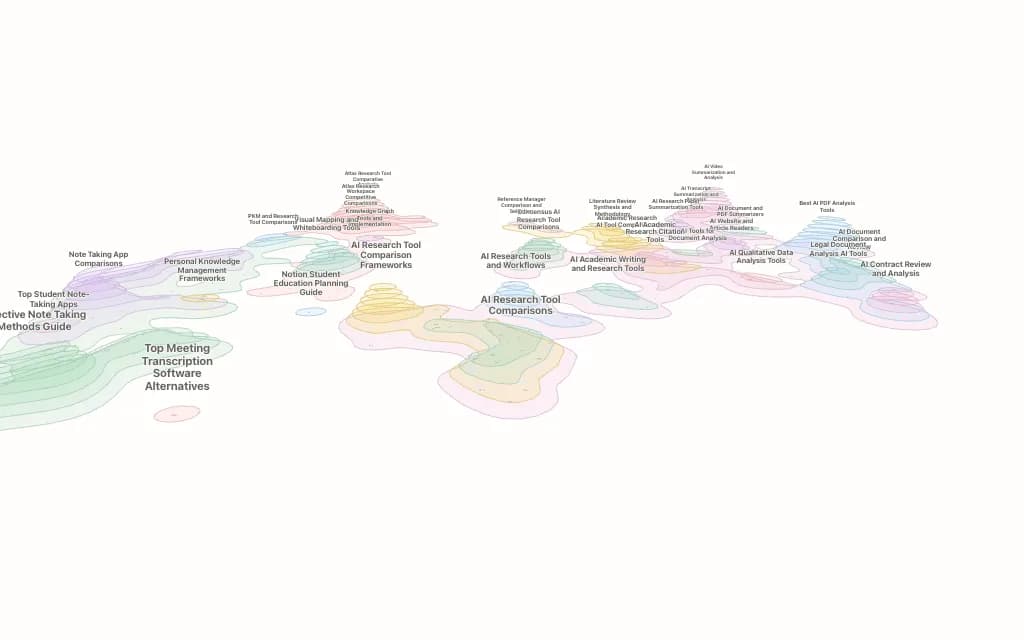
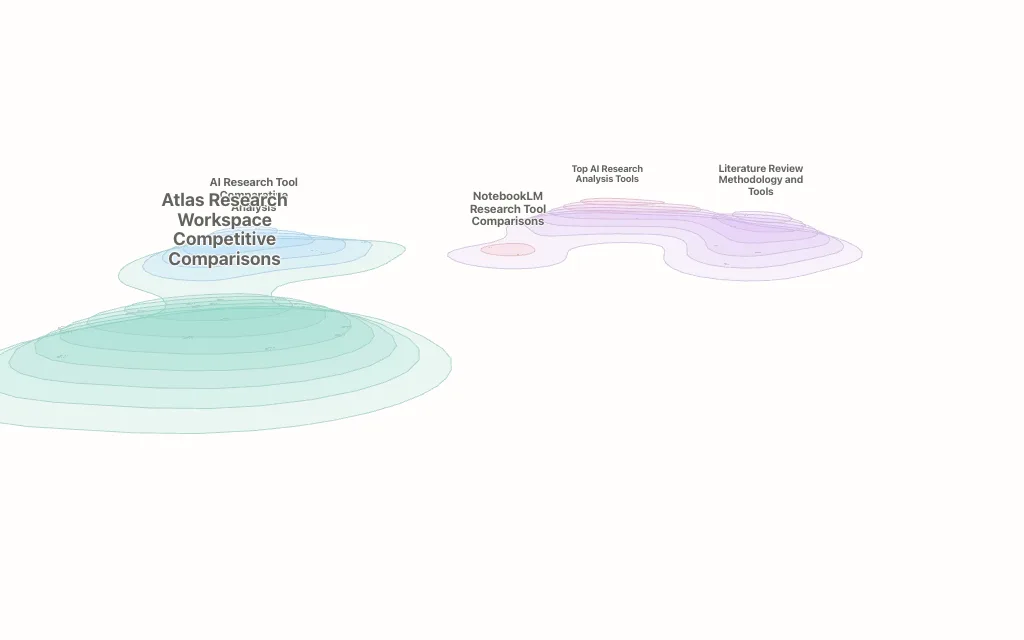
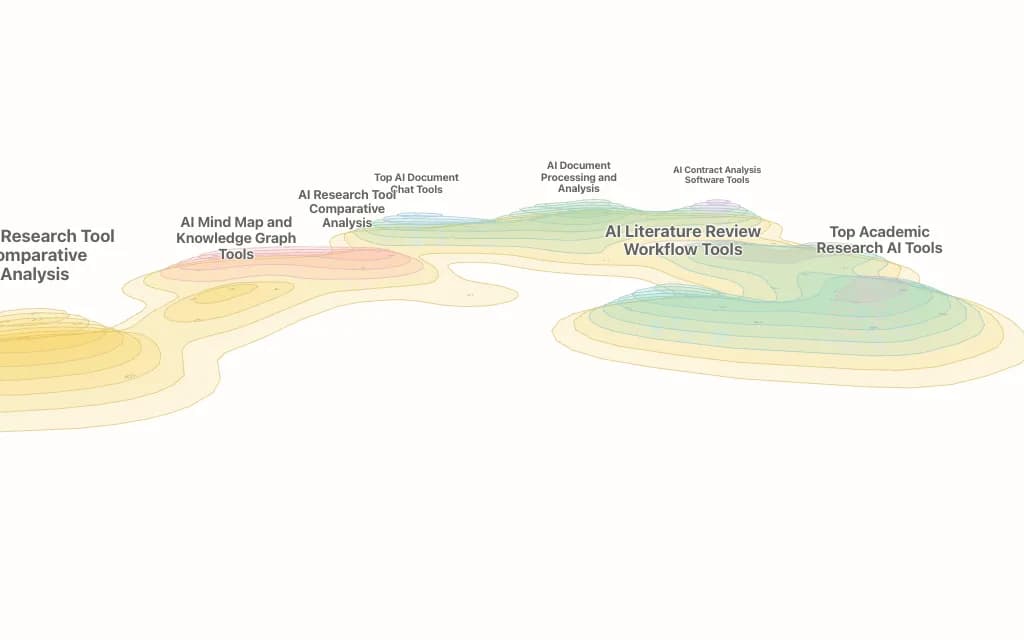
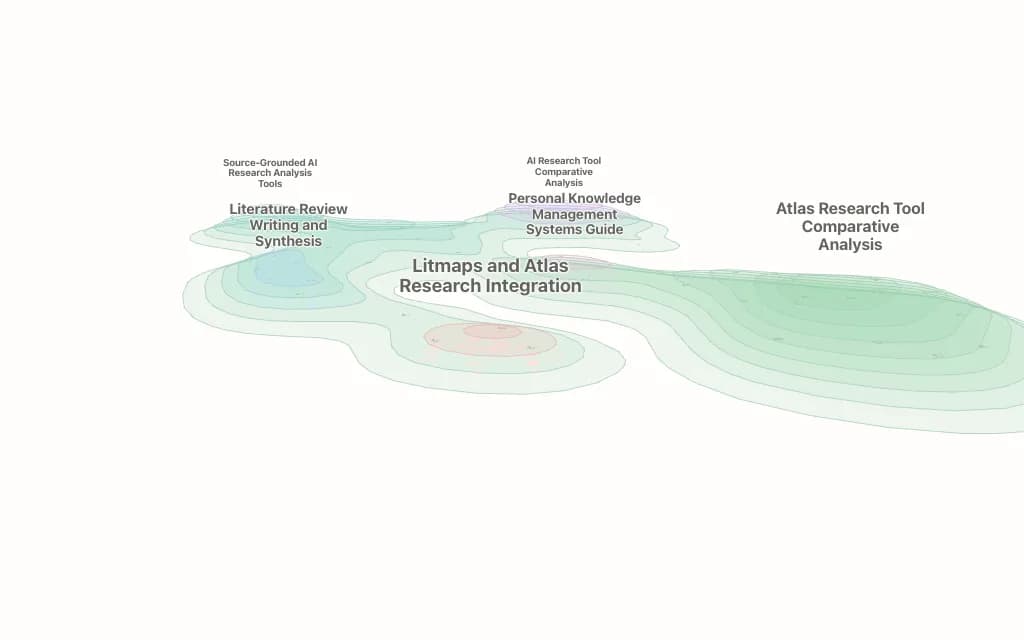
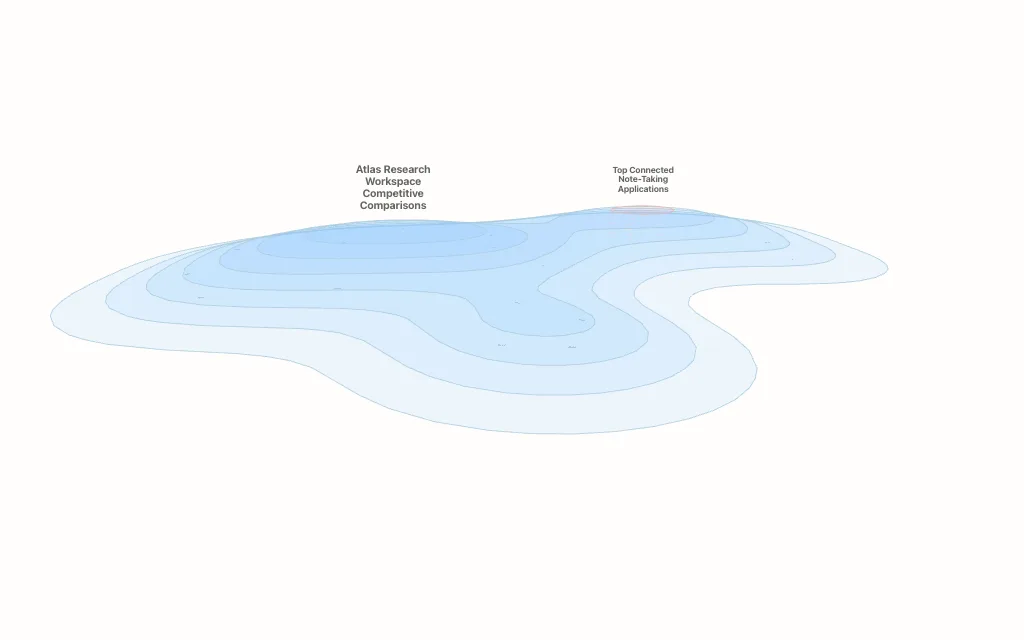
Use Atlas to turn sources into a map you can trust.
Atlas helps you read, connect, and synthesize material behind research synthesis with source-grounded notes, chats, and maps.
Start your workspace