
Topic hub
Literature Review
Guides for reviewing, organizing, and synthesizing research literature, with source-grounded workflows for stronger reviews and defensible arguments today.
68 articles · Updated Oct 2, 2026
Start here
AMSTAR 2: Build a Review Appraisal Evidence Note
Background of the Study With a Source-Linked Example
PRISMA Abstract Checklist: Check Each Reported Item
Integrative Review: Compare Different Kinds of Evidence
Research & Synthesis
Literature Review vs Annotated Bibliography: A Worked Example
Research & Synthesis
Explore
Research & Synthesis
Research & Synthesis
Integrative Review: Compare Different Kinds of Evidence
An integrative review brings studies and theory together. Use a mixed-evidence matrix to check each source's claim, type, and limit in your synthesis.
Research & Synthesis
Literature Review vs Annotated Bibliography: A Worked Example
Literature review vs annotated bibliography: compare purpose and structure, then see the same sources turn from annotations into a checked synthesis paragraph.
Research & Synthesis
Narrative Synthesis: Group Studies and Explain Findings
Narrative synthesis compares studies without pooling results. Learn to group evidence, explain differences, and report limits with a traceable study table.
Explore
Knowledge Compounding
Knowledge Compounding
Atlas vs Anytype (2026) for Research Workflows
Atlas is a visual research workspace, Anytype is a local-first PKM tool. Compare paper deconstruction, citation grounding, and project context for research.
Knowledge Compounding
Atlas vs ChatGPT for Research (2026): Workspace Comparison
Compare Atlas Workspace and ChatGPT for research: citation grounding, visual paper maps, project context, drafting, coding, and broader assistant work.
Knowledge Compounding
Atlas vs Claude for Research (2026): Workspace Comparison
Atlas Workspace vs Claude for research: compare citation grounding, paper maps, project context, long-document analysis, drafting, and AI assistant work.
Explore
AI-Assisted Learning
AI-Assisted Learning
AI for Student Research (2026): 9 Real Workflows Guide
AI for student research, grounded in 14 interviews with undergrads, masters, and PhDs across psychology, healthcare, CS, and humanities. Tools, workflows.
AI-Assisted Learning
25 Best Tools for Research Analysis: Tested by Stage
25 research analysis tools tested and organized by workflow stage: AI assistants, data analysis platforms, qualitative coding tools, and reference managers.
Full library
All articles
Research & Synthesis
Literature Review Process: From Search to Synthesis
A practical literature review process for research question setup, search, screening, research synthesis, citations, and Atlas source-grounded workflows.
Research & Synthesis
Litmaps for Literature Review: Workflow and Next Steps
Use Litmaps for literature review discovery, citation maps, monitoring, and screening, then bring selected papers into Atlas for source-grounded synthesis.
Research & Synthesis
Litmaps for Students Guide to Discovery and Cited Synthesis
Use Litmaps for student literature discovery, citation maps, classroom research, and paper tracking, then move selected sources into Atlas for cited synthesis.
Research & Synthesis
NotebookLM for Research Best Tools and Workflows in 2026
Compare NotebookLM for research with Atlas, Elicit, Consensus, SciSpace, ResearchRabbit, Zotero, and Perplexity by grounding, citations, and workflow fit.
Research & Synthesis
Best AI Tools for Research Papers: Search, Cite, and Write
Compare the best AI tools for research papers across literature search, PDF Q&A, academic writing, citation maps, source checks, and cited synthesis in Atlas.
Research & Synthesis
Best SciSpace Alternatives for Research Workflows
Compare SciSpace alternatives for paper discovery, literature review, PDF chat, evidence extraction, citation checks, and source-grounded research synthesis.
Research & Synthesis
SciSpace for Students Workflows and Alternatives
Compare SciSpace for students with Atlas, Elicit, Consensus, and NotebookLM by student job: paper search, PDF reading, reviews, study, and source checks.
Research & Synthesis
SciSpace vs Elicit for Research Workflow Stages
Compare SciSpace and Elicit for paper discovery, literature review, PDF chat, extraction, synthesis, writing handoff, and source-grounded verification.
Research & Synthesis
SciSpace vs Perplexity for Research Workflow
Compare SciSpace and Perplexity for academic search, PDF reading, cited answers, Projects, file uploads, synthesis workflows, and Atlas source checks.
Research & Synthesis
Scite vs Elicit for Citation Checks and Review Workflow
Compare Scite and Elicit for Smart Citations, literature discovery, screening, extraction, source verification, and Atlas source-grounded synthesis handoff.
AI-Assisted Learning
AI for Student Research (2026): 9 Real Workflows Guide
AI for student research, grounded in 14 interviews with undergrads, masters, and PhDs across psychology, healthcare, CS, and humanities. Tools, workflows.
Research & Synthesis
ChatPDF Alternatives (2026): 8 Best AI PDF Tools Compared
Best ChatPDF alternatives in 2026. Atlas, NotebookLM, Claude, ChatGPT, Humata, Anara, PDF.ai, and AskYourPDF for chatting with PDFs and research papers.
Research & Synthesis
Best Academic Research Software Tools
Best academic research software: Atlas, Elicit, Semantic Scholar, Consensus, Scite, and ResearchRabbit compared by workflow, pricing, and fit for reviews.
Research & Synthesis
12 Best AI Tools for Academic Research in 2026
Compare AI tools for academic research across paper search, literature reviews, citation checks, evidence comparison, academic writing, and free access.
Research & Synthesis
What Is Literature Review AI? Method, Theory, and Tools
2026 guide to literature review AI methods, workflow design, and tools for search, screening, extraction, and synthesis, with examples for researchers.
Research & Synthesis
Best Literature Review Software: 8 Tools by Stage (2026)
Compare 8 literature review tools for discovery, screening, citation checks, synthesis, and writing. See the best stage, limits, access, and handoff for each.
Research & Synthesis
NotebookLM Competitors (2026): 8 AI Research Tools Compared
Compare 8 NotebookLM competitors for source-grounded research, web discovery, academic evidence, local notes, and visual synthesis. Updated August 2026.
Research & Synthesis
Best AI for Academic Writing Tools and Workflow
AI for academic writing, drafting, and editing with ethical guardrails. Learn where AI helps, where it risks citation errors, and which tools fit each stage.
Research & Synthesis
Best AI Tools for Systematic Reviews 2026: 5 Compared
AI systematic review tools compared: Covidence, Rayyan, ASReview, Elicit, and Atlas for screening, data extraction, PRISMA, synthesis, and workflow fit.
Research & Synthesis
7 Best AI Research Assistants (2026): Hallucination-Verified
AI research assistants benchmarked on a 200-paper corpus, citation accuracy, hallucination-to-verification ratio, synthesis depth, and price-per-query. Atlas.
Research & Synthesis
How to Synthesize Research Papers: 4 Proven Frameworks
How to synthesize research papers using four proven frameworks: the synthesis matrix, concept mapping, thematic narrative, and AI-assisted review workflows.
Research & Synthesis
How to Write a Literature Review with AI: Step-by-Step
How to write a literature review with AI, step by step, using tools: Elicit for search, Rayyan for screening, Atlas for synthesis, Claude for drafting.
Research & Synthesis
AI for Literature Review: Best Tools and Workflow Guide
A tested workflow for using AI in literature reviews. Specific tools for each phase, Semantic Scholar and Elicit for discovery, Rayyan for screening and review.
Research & Synthesis
7 Best Elicit Alternatives for AI-Powered Research
Elicit alternatives compared: Atlas, Consensus, Semantic Scholar, Scite, ResearchRabbit, SciSpace, and Undermind scored by data extraction, cost, and fit.
Related hubs
Keep browsing
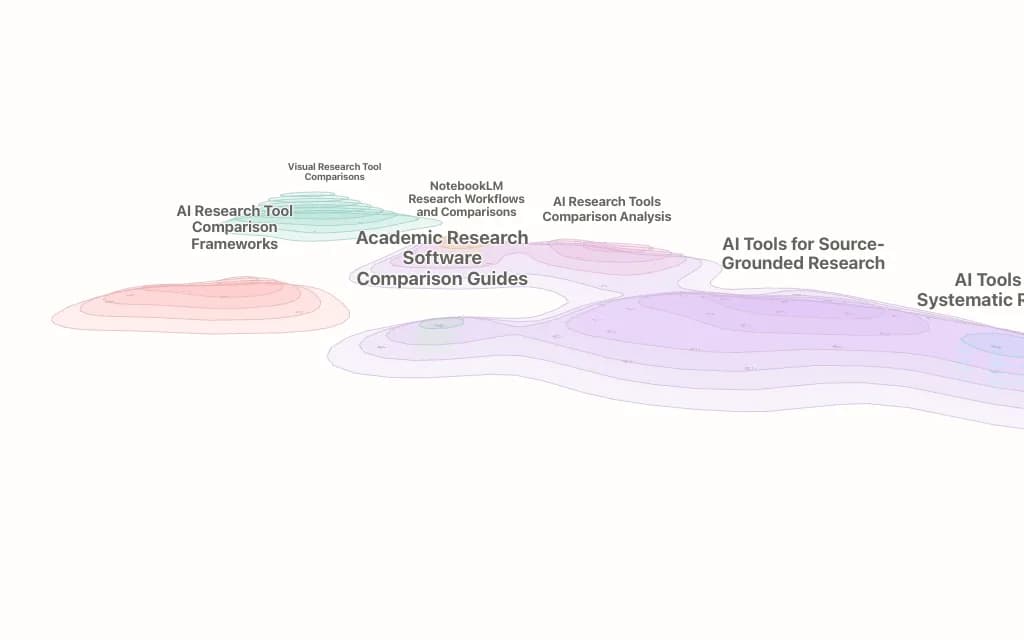
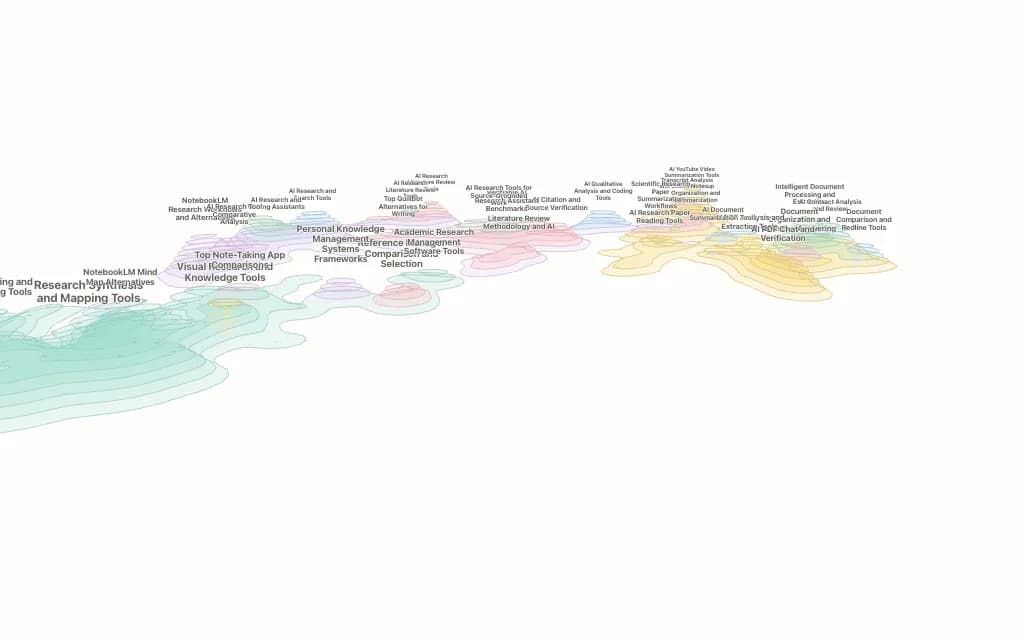
Use Atlas to turn sources into a map you can trust.
Atlas helps you read, connect, and synthesize material behind literature review with source-grounded notes, chats, and maps.
Start your workspace