
Topic hub
Competitor Comparisons
Atlas comparison pages and category decision guides for evaluating research, note-taking, and AI tools by workflow fit, citations, synthesis, and tradeoffs.
417 articles · Updated Oct 5, 2026
Start here
Atlas vs NotebookLM vs Obsidian (2026): Which Fits You?
Knowledge Compounding
Author Contribution Statement: Check Roles Before Submission
Research & Synthesis
Autoethnography With an Experience-Context-Positionality Note
Research & Synthesis
Axial Coding Through a Worked Relationship Note
Research & Synthesis
Carryover Effect: Trace Earlier Conditions Into Later Periods
Research & Synthesis
Explore
Research & Synthesis
Research & Synthesis
Author Contribution Statement: Check Roles Before Submission
Write an author contribution statement from confirmed work. Compare CRediT roles, journal rules, and a worked example before asking each person to approve.
Research & Synthesis
Autoethnography With an Experience-Context-Positionality Note
Connect autoethnography accounts with cultural context and positionality. Build a source-linked comparison note, check your reading, and keep its limits clear.
Research & Synthesis
Axial Coding Through a Worked Relationship Note
Axial coding relates categories through conditions, actions and consequences. Test a worked relationship note against supporting and contrary excerpts.
Explore
Knowledge Compounding
Knowledge Compounding
Atlas vs NotebookLM vs Obsidian (2026): Which Fits You?
Compare Atlas, NotebookLM, and Obsidian by source grounding, local file ownership, linked notes, visual maps, pricing, and fit for research workflows.
Knowledge Compounding
Best Note Summarizer AI Tools for Notes You Can Verify
Compare note summarizer AI tools for messy notes, PDFs, meetings, mind maps, and cited follow-up, including when Atlas fits for source-linked note summaries.
Knowledge Compounding
Best AI Notes Summarizers for Study and Cited Review
Compare AI notes summarizers for messy notes, PDFs, meetings, mind maps, and source-checked follow-up, including where Atlas fits for cited summaries.
Explore
Professional Knowledge Work
Professional Knowledge Work
Competitive Landscape Analysis With a Checked Evidence Table
Competitive landscape analysis starts with a defined buyer and ends with checked claims. Build an evidence table, compare alternatives, and flag gaps.
Professional Knowledge Work
Competitive product analysis with checked source claims
Competitive product analysis with a worked evidence table, source checks, unknowns, and plan conditions to compare products without inventing a winner.
Professional Knowledge Work
Policy Analysis Framework for Comparing Options
Apply a policy analysis framework with a worked evidence matrix. Compare impact, feasibility, and costs while keeping assumptions and human judgments visible.
Explore
Visual Thinking
Visual Thinking
Coggle Alternatives for Mind Maps, Teams, and Research
Compare Coggle alternatives for free mind maps, team whiteboards, diagrams, polished exports, AI mapping, source-grounded maps, and Atlas citation checks.
Visual Thinking
Best Concept Map Generators for Source-Based Maps
Compare concept map generators for templates, AI study maps, PDFs, whiteboards, exports, and source-based Atlas Knowledge Maps you can check against sources.
Visual Thinking
Best Concept Map Makers for Source-Based Visual Maps
Compare concept map makers for templates, AI mapping, team whiteboards, exports, and Atlas Knowledge Maps tied to source material in research workflows.
Full library
All articles
Critical ethnography with a worked power-lens note
Compare critical ethnography accounts with a worked power-lens note. Trace context, researcher position, competing readings, missing voices, and source support.
Critical Incident Technique: Keep Context With Each Account
Use the critical incident technique to compare significant events. Keep context, actions, reported effects, selection rules, and missing details visible.
Cross Sectional Research Design With Worked Examples
Cross sectional research design studies a sample during one window. Compare published methods and build a table of measures, timing, and inference limits.
Data Availability Statement: Match the Access Conditions
Write a data availability statement that matches real access conditions. Compare open, restricted, third-party, and mixed data with a worked claim-check table.
Data Triangulation With a Worked Evidence Table
Data triangulation compares sources about the same finding. Use a worked table to trace agreement, explain discrepancies, and record what remains unknown.
Deductive vs Inductive Research: Trace Theory and Observations
Compare deductive vs inductive research with a worked source note. Trace theory, observations and timing, then check what each study's conclusions can support.
Diary Study: Compare Experiences Without Losing Time
Plan a diary study and compare dated entries with a worked example. Preserve context, missing reports, and contradictory experiences before drawing conclusions.
Research & Synthesis
Discriminant Validity: Check Distinct-Construct Evidence
Discriminant validity concerns empirical distinction between constructs. Compare definitions, measures, reported evidence and limits with a worked note.
Research & Synthesis
Ecological Validity: Compare the Study Task with Everyday Life
Ecological validity requires a specified real-world activity. Check task, setting, cues and constraints with a worked correspondence note and source examples.
Research & Synthesis
Ethnomethodology: Read How Everyday Practices Make Sense
Learn ethnomethodology through a worked interaction record. Trace everyday practices, responses, and assumptions while keeping evidence and gaps clear.
Explanatory Research: Check Evidence and Rival Explanations
Plan explanatory research with clear hypotheses and rival accounts. Use a worked evidence table to separate a plausible reason from a supported claim.
Research & Synthesis
Exploratory Research: Turn Early Evidence into Open Questions
Use exploratory research to frame a problem without assuming its answer. Compare methods, follow a worked example, and save a source-linked question rationale.
Extended Abstract: Build a Claim-Evidence Outline
Plan an extended abstract from your conference rules and verified study evidence. Use a worked section map to keep methods, findings, and claims aligned.
Research & Synthesis
Face Validity: What a Measure Appears to Test
Understand face validity with a worked item example. Compare wording with the stated construct and keep apparent relevance separate from stronger evidence.
Field experiment methods through context and control
Read a field experiment with a worked context-and-control note. Check the real setting, changed task, comparison, spillover questions, and outcome evidence.
Research & Synthesis
Focused Coding: Select Useful Codes With Passage Checks
Use focused coding to compare initial codes with excerpts. Work through an example, test its limits, and save a cited note that explains your selection.
Horizon Scanning With a Source-Linked Signal Register
Horizon scanning turns early signs of change into questions to investigate. Build a dated register with source evidence, possible effects and next checks.
How to Write a Discussion Section From Findings
Learn how to write a discussion section with a worked evidence map. Compare findings with prior studies, explain limitations, and build supported paragraphs.
Implementation Research With a Worked Evidence Matrix
Implementation research studies how practices enter routine use. Compare barriers, context, adaptations, and outcomes in a source-linked evidence matrix.
IRAC Method: Build a Fact-to-Rule Analysis
Learn the IRAC method with a worked issue, rule, application, and conclusion. Connect facts to rule passages and flag gaps before you write your answer.
Journal Aims and Scope: Check Manuscript Fit
Compare journal aims and scope with your manuscript's topic, article type and contribution. Save a passage-linked fit note without predicting acceptance.
Research & Synthesis
Levels of Measurement: Classify the Variable You Have
Learn the four levels of measurement with a worked variable note. Check categories, order, equal gaps, and a meaningful zero before interpreting scores.
Manipulation Check: Separate the Intended State From the Outcome
Read a manipulation check without confusing delivery, the intended state, and the study outcome. Use a worked evidence note to qualify the reported result.
Research & Synthesis
Methodological Triangulation: Compare What Each Method Adds
Use methodological triangulation to compare method contributions to one question. Compare agreement, coverage, and disagreement without forcing consensus.
Related hubs
Keep browsing
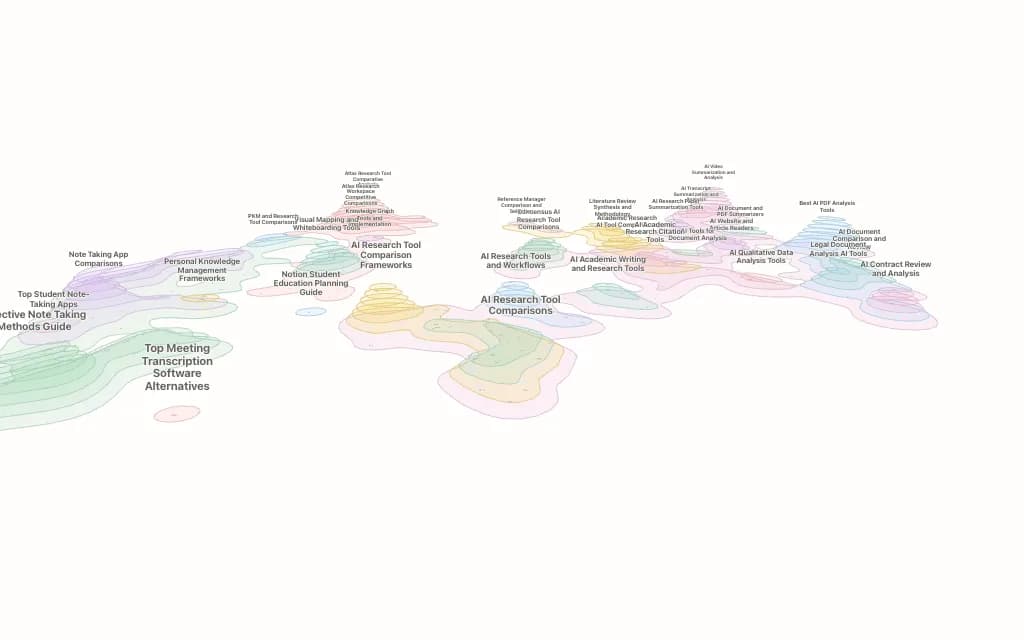
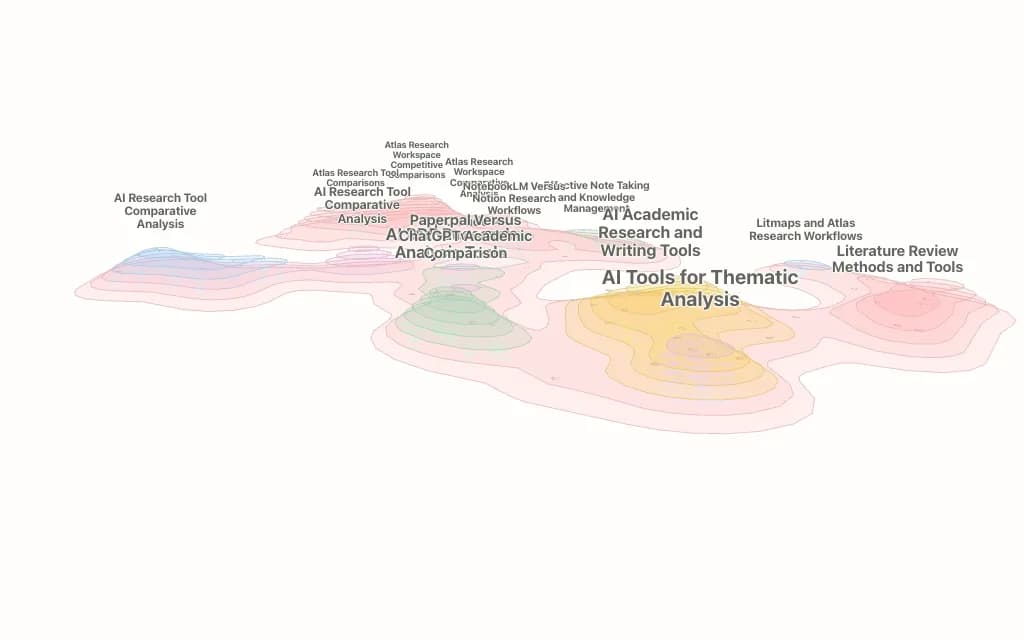
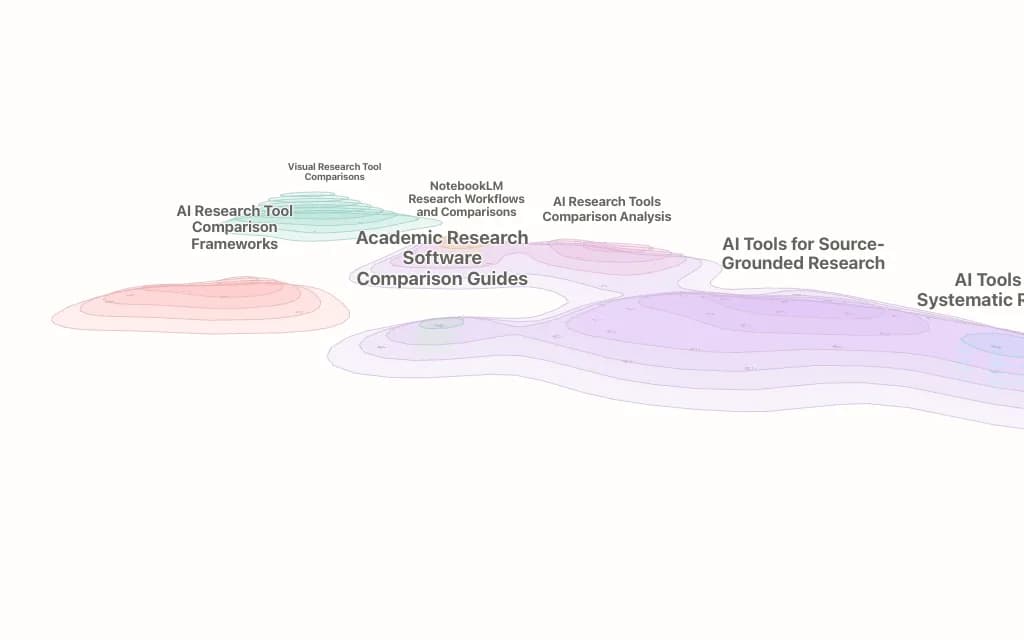
Use Atlas to turn sources into a map you can trust.
Atlas helps you read, connect, and synthesize material behind competitor comparisons with source-grounded notes, chats, and maps.
Start your workspace