
Topic hub
Study Notes
Study note workflows for students working across classes, readings, lectures, and exams, with tools for organizing concepts and reviewing with evidence.
295 articles · Updated Oct 5, 2026
Start here
A Priori Codes: Apply a Framework Without Forcing Fits
Acquiescence Bias: Check the Item Before Trusting Agreement
Research & Synthesis
Action Research With a Cycle Evidence-and-Reflection Note
Research & Synthesis
Analytic Memo: Trace Ideas to Source Excerpts
Author Contribution Statement: Check Roles Before Submission
Research & Synthesis
Explore
Research & Synthesis
Research & Synthesis
Acquiescence Bias: Check the Item Before Trusting Agreement
Understand acquiescence bias with a worked survey-item example. Check wording, answer scales, reverse scoring, and the evidence behind reported safeguards.
Research & Synthesis
Action Research With a Cycle Evidence-and-Reflection Note
Connect action research plans, actions, observations, and reflections in a cycle note. Check what changed, what the evidence supports, and what remains open.
Research & Synthesis
Author Contribution Statement: Check Roles Before Submission
Write an author contribution statement from confirmed work. Compare CRediT roles, journal rules, and a worked example before asking each person to approve.
Explore
Professional Knowledge Work
Professional Knowledge Work
Case Brief: A Worked Guide With Opinion Passage Checks
Write a case brief from your assigned opinion. Use a worked example to check facts, issue, rule, holding, and disposition against the original court passages.
Professional Knowledge Work
Case Chronology: Build a Source-Linked Event Timeline
Case chronology: build a dated event table from selected records, with pinpoint sources, checks for conflicting dates, and a clear path for human review.
Professional Knowledge Work
Competitive Landscape Analysis With a Checked Evidence Table
Competitive landscape analysis starts with a defined buyer and ends with checked claims. Build an evidence table, compare alternatives, and flag gaps.
Explore
Knowledge Compounding
Knowledge Compounding
Best Note Summarizer AI Tools for Notes You Can Verify
Compare note summarizer AI tools for messy notes, PDFs, meetings, mind maps, and cited follow-up, including when Atlas fits for source-linked note summaries.
Knowledge Compounding
Best AI Notes Summarizers for Study and Cited Review
Compare AI notes summarizers for messy notes, PDFs, meetings, mind maps, and source-checked follow-up, including where Atlas fits for cited summaries.
Knowledge Compounding
Best Notes AI Tools for Source-Checked Answers
Compare Notes AI tools for lectures, meetings, documents, study material, mobile capture, and the Atlas workflow for cited answers across saved notes.
Explore
AI-Assisted Learning
AI-Assisted Learning
AI for Student Research (2026): 9 Real Workflows Guide
AI for student research, grounded in 14 interviews with undergrads, masters, and PhDs across psychology, healthcare, CS, and humanities. Tools, workflows.
AI-Assisted Learning
How to Take Notes in Nursing School (2026): A Working System
How to take notes in nursing school 2026: the best methods (Cornell, concept maps, SOAP notes, drug cards), the apps to use, and a weekly review plan.
AI-Assisted Learning
Best Nursing Student Apps (2026): 10 Study & Clinical Tools
The 10 best apps for nursing students in 2026. Atlas, UpToDate, Epocrates, NCLEX prep apps, Anki, Notability, and clinical reference tools tested for nursing.
Full library
All articles
Research & Synthesis
Factorial Research Design With a Checked Factor Map
Read factorial research design through a checked factor map. Trace levels, combinations and run order to source passages before interpreting study effects.
Field experiment methods through context and control
Read a field experiment with a worked context-and-control note. Check the real setting, changed task, comparison, spillover questions, and outcome evidence.
Research & Synthesis
Focus Group Questions: Examples, Probes, and a Worked Guide
Write focus group questions that fit your research objective. Use prompts and probes, fix leading wording, and check your discussion guide against sources.
Research & Synthesis
Focused Coding: Select Useful Codes With Passage Checks
Use focused coding to compare initial codes with excerpts. Work through an example, test its limits, and save a cited note that explains your selection.
Hawthorne Effect Explained Through Study Evidence
Hawthorne effect means behavior may change when people know they are studied. Learn to separate observation awareness, reported change, and causal evidence.
Hermeneutic Phenomenology With a Worked Interpretation Note
Explore hermeneutic phenomenology with a worked interpretation note. Connect lived accounts to context, examine researcher assumptions and check each reading.
Research & Synthesis
Homogeneous Sampling: Match Shared Traits to the Question
Learn homogeneous sampling with a worked qualitative example. Check why a group was chosen, what members share, and where the study's claims must stop.
Horizon Scanning With a Source-Linked Signal Register
Horizon scanning turns early signs of change into questions to investigate. Build a dated register with source evidence, possible effects and next checks.
How to Write a Discussion Section From Findings
Learn how to write a discussion section with a worked evidence map. Compare findings with prior studies, explain limitations, and build supported paragraphs.
Implementation Research With a Worked Evidence Matrix
Implementation research studies how practices enter routine use. Compare barriers, context, adaptations, and outcomes in a source-linked evidence matrix.
Industry Analysis With a Checked Evidence Brief
Build an industry analysis from dated reports and company materials. Use a worked evidence brief to check industry boundaries, drivers, competition and risks.
Interview Protocol From Research Questions to a Pilot
Build an interview protocol with a question map, opening and closing prompts, source checks, and a pilot plan for researcher review before data collection.
IRAC Method: Build a Fact-to-Rule Analysis
Learn the IRAC method with a worked issue, rule, application, and conclusion. Connect facts to rule passages and flag gaps before you write your answer.
Lay Abstract Example With a Source-Checked Rewrite
A lay abstract explains research in plain language for non-specialists. Follow a before-and-after example, claim map, and checks that preserve study limits.
Research & Synthesis
Learning Agenda From Evidence Gaps to Priority Questions
Build a learning agenda that links evidence gaps to decisions. Use a worked priority table to choose questions, name owners, and plan how to use findings.
Professional Knowledge Work
Lease Abstract With Clause References and Review Flags
Build a lease abstract with a worked field-to-clause table, amendment checks, conditional dates, and flags for qualified review before payments or notices.
Legal Brief Outline With Record and Authority Checks
A legal brief outline links each argument to record facts and legal authority. Follow a worked example, court format checks, and a counsel review workflow.
Legal Research Plan With a Worked Source Roadmap
Build a legal research plan from a defined issue, jurisdiction and starting sources. Use a worked roadmap to track searches, authority checks and gaps.
Research & Synthesis
Levels of Measurement: Classify the Variable You Have
Learn the four levels of measurement with a worked variable note. Check categories, order, equal gaps, and a meaningful zero before interpreting scores.
Limitations of the Study With Worked Examples
Explain limitations of the study by linking each constraint to the claim it qualifies. Use a worked evidence table to write a precise limitations paragraph.
Research & Synthesis
Longitudinal research design with a follow-up plan
Longitudinal research design guide with a worked wave schedule, retention denominators, and an attrition-assumption table to check before planning follow-up.
Manipulation Check: Separate the Intended State From the Outcome
Read a manipulation check without confusing delivery, the intended state, and the study outcome. Use a worked evidence note to qualify the reported result.
Professional Knowledge Work
Market Research Plan: Questions, Sources, and a Worked Example
Build a market research plan around a real decision. Match questions to sources, choose methods, expose bias, and use a worked example to check the gaps.
Market Research Questions: Connect Wording to Decisions
Draft market research questions for a specific decision and audience. Use a worked question map to check leading wording, answer options, and evidence gaps.
Related hubs
Keep browsing
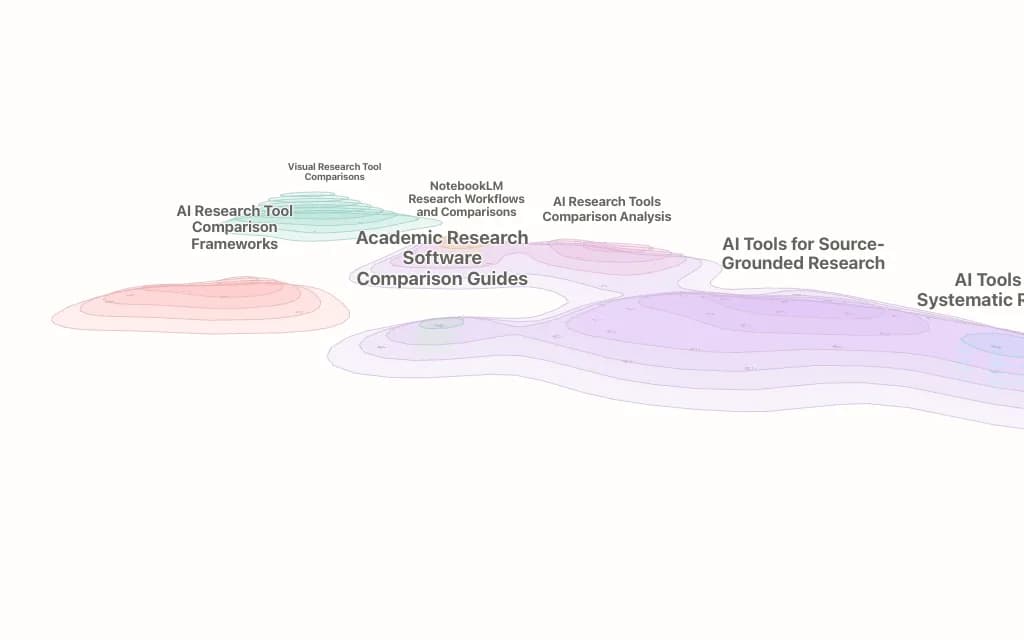
Use Atlas to turn sources into a map you can trust.
Atlas helps you read, connect, and synthesize material behind study notes with source-grounded notes, chats, and maps.
Start your workspace