
Topic hub
Study Notes
Study note workflows for students working across classes, readings, lectures, and exams, with tools for organizing concepts and reviewing with evidence.
295 articles · Updated Oct 5, 2026
Start here
A Priori Codes: Apply a Framework Without Forcing Fits
Acquiescence Bias: Check the Item Before Trusting Agreement
Research & Synthesis
Action Research With a Cycle Evidence-and-Reflection Note
Research & Synthesis
Analytic Memo: Trace Ideas to Source Excerpts
Author Contribution Statement: Check Roles Before Submission
Research & Synthesis
Explore
Research & Synthesis
Research & Synthesis
Acquiescence Bias: Check the Item Before Trusting Agreement
Understand acquiescence bias with a worked survey-item example. Check wording, answer scales, reverse scoring, and the evidence behind reported safeguards.
Research & Synthesis
Action Research With a Cycle Evidence-and-Reflection Note
Connect action research plans, actions, observations, and reflections in a cycle note. Check what changed, what the evidence supports, and what remains open.
Research & Synthesis
Author Contribution Statement: Check Roles Before Submission
Write an author contribution statement from confirmed work. Compare CRediT roles, journal rules, and a worked example before asking each person to approve.
Explore
Professional Knowledge Work
Professional Knowledge Work
Case Brief: A Worked Guide With Opinion Passage Checks
Write a case brief from your assigned opinion. Use a worked example to check facts, issue, rule, holding, and disposition against the original court passages.
Professional Knowledge Work
Case Chronology: Build a Source-Linked Event Timeline
Case chronology: build a dated event table from selected records, with pinpoint sources, checks for conflicting dates, and a clear path for human review.
Professional Knowledge Work
Competitive Landscape Analysis With a Checked Evidence Table
Competitive landscape analysis starts with a defined buyer and ends with checked claims. Build an evidence table, compare alternatives, and flag gaps.
Explore
Knowledge Compounding
Knowledge Compounding
Best Note Summarizer AI Tools for Notes You Can Verify
Compare note summarizer AI tools for messy notes, PDFs, meetings, mind maps, and cited follow-up, including when Atlas fits for source-linked note summaries.
Knowledge Compounding
Best AI Notes Summarizers for Study and Cited Review
Compare AI notes summarizers for messy notes, PDFs, meetings, mind maps, and source-checked follow-up, including where Atlas fits for cited summaries.
Knowledge Compounding
Best Notes AI Tools for Source-Checked Answers
Compare Notes AI tools for lectures, meetings, documents, study material, mobile capture, and the Atlas workflow for cited answers across saved notes.
Explore
AI-Assisted Learning
AI-Assisted Learning
AI for Student Research (2026): 9 Real Workflows Guide
AI for student research, grounded in 14 interviews with undergrads, masters, and PhDs across psychology, healthcare, CS, and humanities. Tools, workflows.
AI-Assisted Learning
How to Take Notes in Nursing School (2026): A Working System
How to take notes in nursing school 2026: the best methods (Cornell, concept maps, SOAP notes, drug cards), the apps to use, and a weekly review plan.
AI-Assisted Learning
Best Nursing Student Apps (2026): 10 Study & Clinical Tools
The 10 best apps for nursing students in 2026. Atlas, UpToDate, Epocrates, NCLEX prep apps, Anki, Notability, and clinical reference tools tested for nursing.
Full library
All articles
Professional Knowledge Work
Research Paper Appendix: What Belongs and How to Link It
Build a research paper appendix that supports your main text. Use a worked appendix index to check purpose, callouts, source versions, privacy, and permissions.
Research Paper Conclusion From Verified Findings
Write a research paper conclusion from your question, verified findings, and limits. Use a worked traceability note to check claims without adding new evidence.
Research Paper Introduction With Checked Claims
Write a research paper introduction from checked sources, a focused study question, and a clear rationale. Use the worked outline to test each transition.
Research Paper Keywords With a Checked Selection Table
Choose research paper keywords that match your topic, methods and findings. Check each candidate against manuscript passages and the target journal's rules.
Research Paper Outline With Claims and Source Checks
Build a research paper outline that connects section claims to sources. Use a worked example to place evidence, retain open gaps and check the argument's flow.
Research Proposal Outline: Map Requirements to Sources
Build a research proposal outline from your department's rubric. Use an adaptable section plan and worked requirement map to check evidence and methods.
Research Prospectus: Build a Plan for Human Review
Write a research prospectus from your question, sources, and program rules. Use an evidence map to track supported claims, planned work, and open decisions.
Response to Reviewers With a Checked Revision Matrix
Write a response to reviewers that answers each point and shows what changed. Build a revision matrix, check manuscript locations, and explain disagreements.
Results Section for a Research Paper: Trace Every Claim
Write the results section of a research paper from checked findings. Trace claims to outputs, keep denominators clear, and separate findings from conclusions.
Retrospective Cohort Study: Example and Record Checks
Understand a retrospective cohort study through a published example. Map exposure, outcomes, missing records, and bias questions before writing a design note.
Research & Synthesis
Sampling Frame: Check the List Behind the Sample
Understand a sampling frame with examples of lists and area frames. Check the population, dates, duplicates and missing groups using a worked evidence note.
Scholarly vs Popular Sources: Check Type and Fit
Compare scholarly vs popular sources by audience, authorship, and review process. Use a worked source table to explain classifications and unresolved checks.
Scope of the Study: Write Boundaries You Can Defend
Define the scope of the study with a worked statement and boundary table. Explain chosen exclusions and limits, then check what the evidence supports.
Secondary Market Research: Check Sources Before Claims
Conduct secondary market research with a dated source inventory. Check scope, definitions, and gaps before turning existing reports into market claims.
Secondary research with a checked source-fit note
Plan secondary research with a worked source-fit table. Check populations, dates, measures, access, and gaps before using existing studies to answer a question.
Research & Synthesis
Selection Bias: Trace Who Enters, Stays, and Gets Counted
Understand selection bias with a worked study example. Trace recruitment, follow-up, and exclusions, then match the claim to the people actually analyzed.
Research & Synthesis
Semantic Differential Scale: Examples and Anchor Checks
Understand semantic differential scales with published anchor examples. Check bipolar words, construct claims, midpoint meaning, and source support before use.
Research & Synthesis
Semiotic Analysis: Trace Signs, Context, and Other Readings
Use semiotic analysis to connect signs with meanings and context. Work through a fictional poster, compare other readings, and keep source evidence clear.
SIFT Method: Trace a Claim Before You Share
Use the SIFT method to check sources, find better coverage, and trace a claim to its context. Follow a worked example and keep a source-linked check note.
Significance of the Study: Write a Supported Argument
Write the significance of the study with cited evidence, clear beneficiaries, and realistic contributions. Use a worked example to separate facts from hopes.
Simple Random Sampling: Check the Selection Method
Check simple random sampling against the study's frame and draw records. Use a worked example to distinguish systematic sampling and account for nonresponse.
Snowball Sampling: Trace Referrals and Their Limits
Snowball sampling recruits through participant referrals. Follow a worked example, check seeds and referral waves, and report which networks the study may miss.
Specific Aims Page: Build the Argument Before Drafting
Plan a specific aims page from the problem and evidence to a testable hypothesis. Use a worked outline, check aim dependencies, and verify current NIH rules.
SPICE Framework: Build a Focused Question
Use the SPICE framework to define setting, perspective, intervention, comparison, and evaluation. Build a worked question and check its evidence needs.
Related hubs
Keep browsing
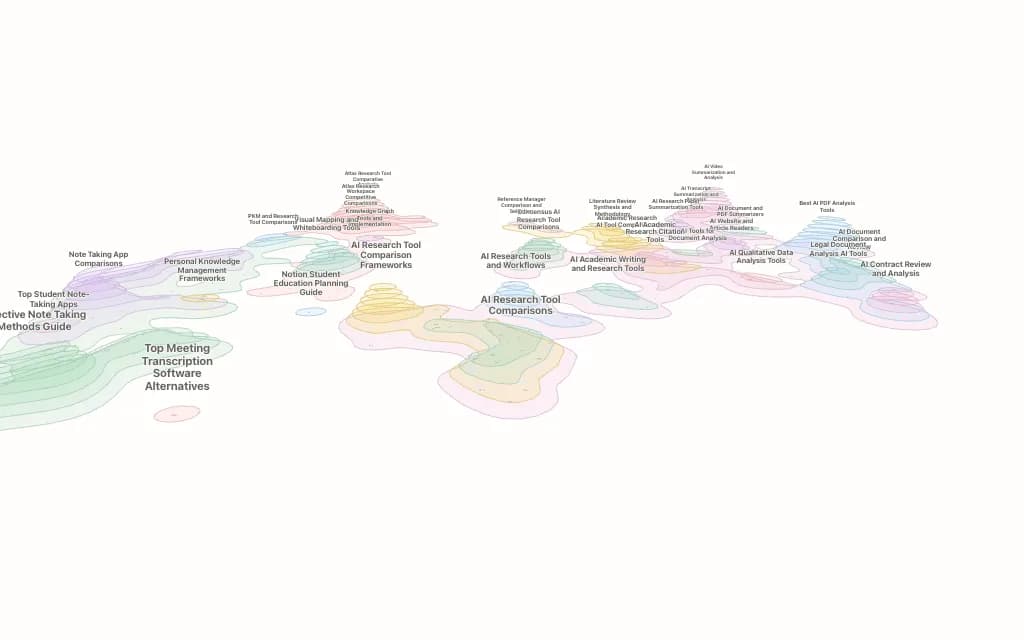
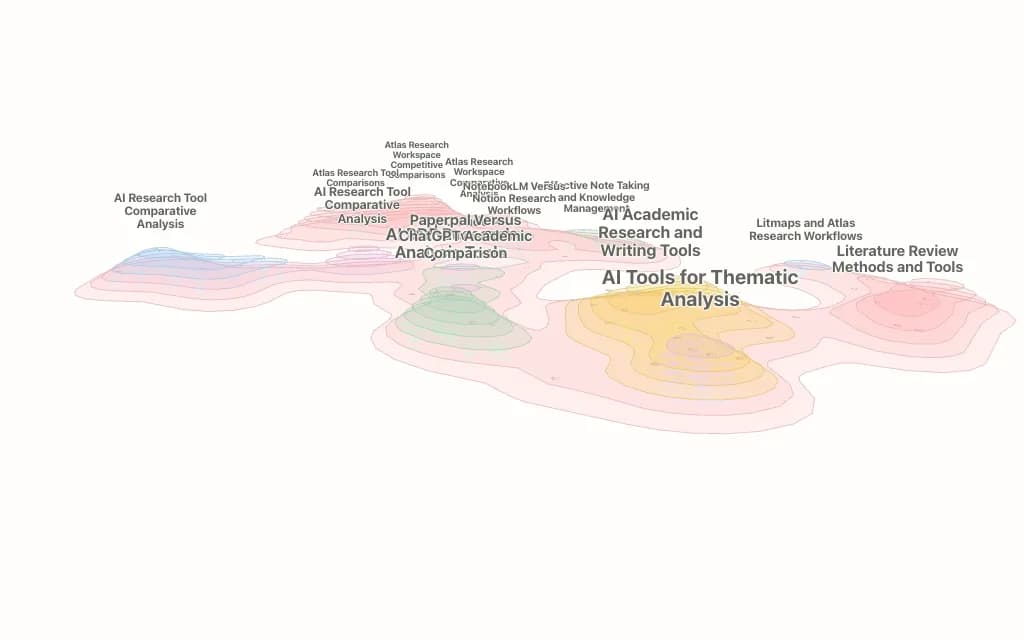
Use Atlas to turn sources into a map you can trust.
Atlas helps you read, connect, and synthesize material behind study notes with source-grounded notes, chats, and maps.
Start your workspace